7 Tips How to Clean a Fabric Lamp Shade Safely?

Time:2026-10-17 Author:Madeline
0%

Cleaning a fabric lamp shade can seem simple until dust, stains, and delicate fibers create unexpected problems. This guide explains how to clean a fabric lamp shade safely without damaging its shape, color, or lining. It focuses on practical methods that work in ordinary homes, using gentle tools and controlled moisture.

Before cleaning, switch off and unplug the lamp. Remove the shade if possible, then inspect its care label, seams, trim, and inner frame. A soft vacuum brush can lift loose dust from pleats and corners. For a small mark, test a mild cleaning solution on a hidden area first. Wait until the test spot dries. Color may change later.

Small details matter.

Some fabrics tolerate light dabbing, while others develop water rings or loosened glue. Avoid soaking the shade, scrubbing forcefully, or applying cleaner directly to the fabric. Those shortcuts often spread stains instead of removing them. A clean white cloth helps prevent color transfer during spot treatment. Work slowly from the outside of a stain toward its center.

The seven tips ahead combine careful household experience with fabric-care principles. They also explain when home cleaning is no longer sensible. If the shade smells strongly of mildew, has fragile wiring, or shows extensive discoloration, consult a professional cleaner or replace it. I have found that patience usually protects delicate shades better than stronger products. Still, no method guarantees perfect results, because fabrics age differently and previous cleaning may have weakened them.
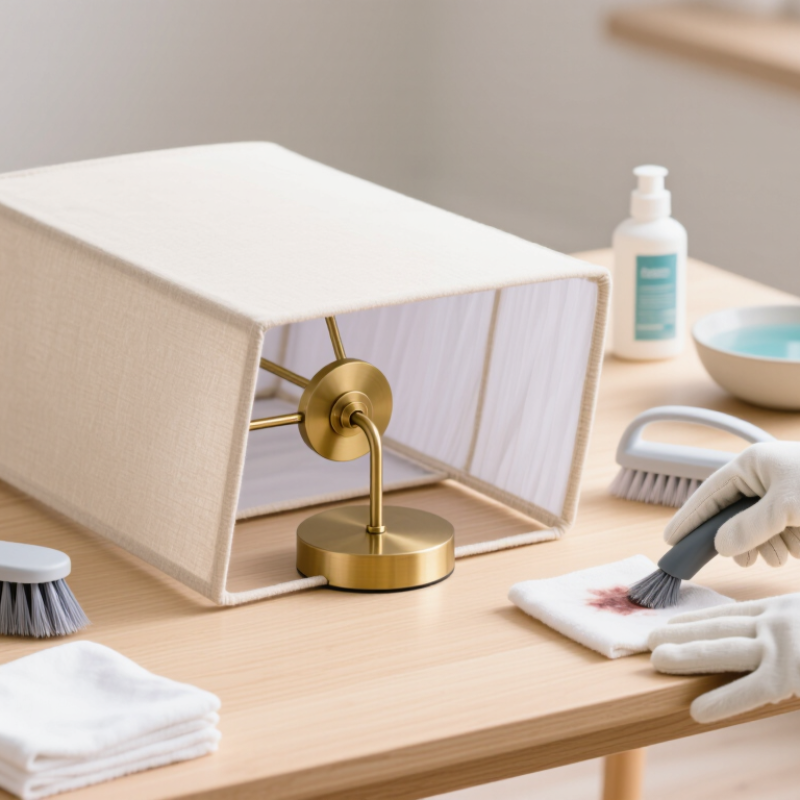
7 Tips How to Clean a Fabric Lamp Shade Safely?

Identify the Fabric, Stains, and Care Instructions Before Cleaning

7 Tips How to Clean a Fabric Lamp Shade Safely

Identify the fabric before touching water. Check the care label, seam, and underside for cotton, linen, silk, or synthetic fibers. A fabric shade may look washable but still contain glued seams or a paper lining. The label matters. A 2022 American Cleaning Institute survey found that many consumers clean household textiles without checking care instructions. That habit can cause shrinking, dye transfer, or permanent rings. Photograph the shade before cleaning, especially if its shape already looks uneven.

Unplug the lamp and remove the shade completely. Never spray cleaner near the socket, wiring, or bulb holder. The National Fire Protection Association reported an estimated 14,450 U.S. home fires involving lamps, light fixtures, or bulbs each year from 2014 to 2018. Dust first with a soft brush or low-suction vacuum.

Identify the stain next. Greasy marks need gentle detergent, while dry soil may need only brushing. Test a hidden area with a barely damp white cloth. Blot; do not rub. Rubbing can roughen fibers and spread the stain.

Use cool water only when the care label permits it. Mix a small amount of mild detergent, then remove residue with a clean, damp cloth. Keep moisture controlled. A wet shade can develop watermarks, lose its shape, or loosen adhesive. For silk, lined, pleated, or antique shades, professional textile cleaning is safer. I once underestimated a tiny stain and made a larger pale ring. That mistake still matters. Let the shade air-dry upright, away from direct sunlight and heat. Check the fabric completely before reinstalling it.

Gather Safe Tools and Prepare the Lamp Shade for Cleaning

Before cleaning, unplug the lamp and let the bulb and socket cool completely. Move the lamp to a dry table with good daylight. Remove the shade gently, supporting its frame instead of pulling the fabric. The National Fire Protection Association reports that lighting equipment was involved in about 32,500 home structure fires annually from 2015–2019. Safe preparation matters.

Tip 1: Gather a soft vacuum brush, clean white cloths, mild detergent, lukewarm water, and a dry towel. Avoid bleach, harsh sprays, and rough sponges. A white cloth helps reveal dye transfer before it spreads. Test any damp method on a hidden seam. I once underestimated how quickly moisture can mark delicate fabric.

Tip 2: Inspect the shade before cleaning. Check loose seams, brittle trim, rusted frames, and water-sensitive linings. If the fabric feels weak, use gentle vacuuming only. Keep water away from the socket and electrical cord. The U.S. Department of Energy reports that LED bulbs use at least 75% less energy than incandescent bulbs and produce less heat, but every lamp still needs careful handling. Remove dust from both sides with slow, overlapping strokes. Do not soak the shade; trapped moisture can cause staining, odor, or frame corrosion. A small mistake is still possible, so stop when the fabric begins to change.

Remove Dust and Surface Debris Without Damaging the Fabric

7 Tips How to Clean a Fabric Lamp Shade Safely?

Unplug the lamp and let the bulb cool completely.

Tip 1: Check the care label and inspect loose seams.

Tip 2: Remove the shade before cleaning, if its fittings allow it.

Tip 3: Use a vacuum with low suction and a soft brush attachment.

Hold a thin mesh screen above delicate fabric. This reduces pulling and protects fragile fibers.

Tip 4: Work from the top downward, using slow, overlapping strokes.

Avoid compressed air. It can force dust deeper into the weave.

Tip 5: Brush surface debris gently with a clean, soft-bristled brush. Do not scrub stains during dust removal.

Tip 6: Test any slightly damp cloth on a hidden area first. Water rings can permanently change some fabrics.

Tip 7: Let the shade dry fully before reinstalling it.

The U.S. Environmental Protection Agency reports indoor pollutant levels can be two to five times higher than outdoor levels, and sometimes much higher. Regular dust removal supports better indoor hygiene, but it does not replace ventilation.

The Smithsonian’s conservation guidance also favors gentle, controlled cleaning for historic textiles.

No method fits every shade. Old fabric, glued seams, and silk-like materials need extra caution. A lint roller may seem practical, yet its adhesive can lift loose fibers. I would avoid it.

Mistakes happen when cleaning feels rushed. Take a closer look.

Treat Stains Gently Using the Right Cleaning Method

7 Tips: How to Clean a Fabric Lamp Shade Safely

Treat stains gently using the right cleaning method. Start by unplugging the lamp and letting the bulb cool completely. Remove the shade when possible. In practice, a soft vacuum brush lifts dust without forcing it deeper into the weave. Do not shake the shade indoors.

The U.S. Environmental Protection Agency reports that indoor pollutant levels can be two to five times higher than outdoor levels, so trapped dust deserves careful removal.

For dry marks, test a hidden area first. Use a clean white cloth and lightly blot outward from the stain. Never scrub.

For washable polyester or cotton shades, mix a small amount of mild detergent with cool water. Dab the solution sparingly, then blot with a second cloth. Avoid soaking the fabric, seams, or lining. Moisture can distort the frame.

This happened to me once, and the shade never fully recovered. Let it air-dry in a shaded, ventilated place.

Grease marks may need repeated gentle blotting rather than stronger chemicals. Avoid bleach, abrasive powders, and hot air. Silk, antique, pleated, or glued shades should receive professional assessment.

NFPA data identifies lamps, lighting equipment, and cords as contributors to thousands of home structure fires each year, so keep the shade fully dry before reconnecting the lamp. Small caution matters.

Dry, Reassemble, and Maintain the Lamp Shade Safely

Before cleaning, unplug the lamp and let the bulb cool completely. Remove the fabric shade, harp, and finial carefully. Photograph the assembly if you often forget the order. A soft brush attachment removes loose dust without stretching the fabric. For stains, test a barely damp cloth on an hidden seam first. Use mild soap and cool water only when the care label permits it. Do not soak glued seams or paper-backed fabric. I once used too much water on a shade; the lining dried unevenly and warped slightly. That mistake changed my routine.

Drying is not optional. Blot moisture with a clean towel, then place the shade upright in a shaded, ventilated room. Keep it away from heaters and direct sunlight. Wait until every seam feels completely dry. The NFPA Home Structure Fires report for 2016–2020 found that electrical distribution and lighting equipment appeared in about one out of ten reported U.S. home fires. Careful reassembly therefore matters. Inspect the socket, cord, plug, and metal frame for heat marks, looseness, or frayed insulation. Refit the shade evenly, keeping fabric clear of the bulb. Use the correct bulb type and wattage listed by the fixture. Dust the shade monthly with a soft brush. Check it after cleaning, because small distortions can be easy to miss. A second inspection is worthwhile.

FAQS

How can I identify a fabric lamp shade before cleaning?

Check the care label, seam, and underside. Look for cotton, linen, silk, synthetic fibers, paper lining, or glued seams. Photograph its shape first. It may already look uneven.

What should I do before removing dust or stains?

Unplug the lamp and let the bulb cool completely. Remove the shade carefully, then use a soft brush or low-suction vacuum. Dust first. Never shake it indoors.

How should I test a cleaning method?

Choose a hidden seam or underside area. Press a barely damp white cloth against it. Blot gently, then check for color transfer or rings. The result may not predict everything.

How can I clean a small dry mark?

Brush away loose soil first. Use a clean white cloth and blot outward from the mark. Do not scrub. Rubbing can spread soil and roughen fibers.

Can I use water and detergent on the shade?

Use cool water only when the care label allows it. Mix a small amount of mild detergent. Dab lightly, then remove residue with another damp cloth. Keep moisture controlled.

How should I treat greasy stains?

Blot repeatedly with a clean cloth instead of using strong chemicals. Avoid bleach, abrasive powders, and hot air. A larger wet patch can become more noticeable than the grease.

Which shades need extra caution?

Silk, pleated, antique, lined, and glued shades need special care. Paper-backed fabric can warp or loosen when wet. Professional textile assessment is often safer. Not every stain needs home treatment.

How should I dry and reinstall the shade?

Blot moisture with a clean towel. Place the shade upright in a shaded, ventilated room. Keep it away from heaters and direct sunlight. Wait until every seam feels completely dry.

What should I inspect before using the lamp again?

Check the socket, cord, plug, and frame for heat marks or looseness. Keep fabric away from the bulb. Use the fixture’s listed bulb type and wattage. I once used too much water, and the lining warped slightly.

Conclusion

Learning how to clean a fabric lamp shade safely starts with identifying the material, checking its care instructions, and assessing the type of stains present. Before cleaning, unplug the lamp, remove the shade if possible, and prepare gentle tools such as a soft brush, microfiber cloth, mild detergent, and clean water. Test any cleaning solution on a hidden area first to prevent discoloration or damage.

To remove dust and loose debris, brush or vacuum the shade gently without pressing too hard. Treat stains carefully with the appropriate method, using minimal moisture and avoiding harsh chemicals or excessive rubbing. If the fabric permits spot cleaning, dab the area rather than soaking it. After cleaning, allow the shade to air-dry completely away from direct heat or sunlight. Reassemble the lamp only when everything is fully dry, and maintain its appearance by dusting regularly and addressing spills promptly. These simple steps explain how to clean a fabric lamp shade safely while helping preserve its shape, color, and texture.

Madeline

Madeline

Madeline is a dedicated marketing professional with a wealth of expertise in our company's core offerings. With a keen understanding of the industry, she brings a unique perspective to her role, consistently delivering high-quality content that highlights the superior aspects of our products. As......