When deciding where to place a floor lamp in a living room, understanding effective lighting is crucial. A well-placed lamp can enhance both the functionality and ambiance of a space. According to the American Society of Interior Designers, proper lighting influences mood and productivity. About 68% of homeowners consider lighting a key factor in their room design decisions.
Moreover, floor lamps can serve various purposes. They can create a cozy reading nook or provide general illumination. Studies suggest that ambient lighting can improve relaxation and comfort levels in a home environment. It's essential to recognize that choosing the right spot isn't merely aesthetic; it’s about maximizing the lamp’s light potential.
Consider the lamp’s proximity to seating areas. Many people overlook this while planning their layouts. Additionally, assessing ceiling heights and existing light sources can impact placement choices. Knowledge of these elements can lead to a more thoughtfully illuminated space. Remember, even experts sometimes fail to balance lighting needs effectively. Reflection and adjustment are key in achieving the best outcomes.
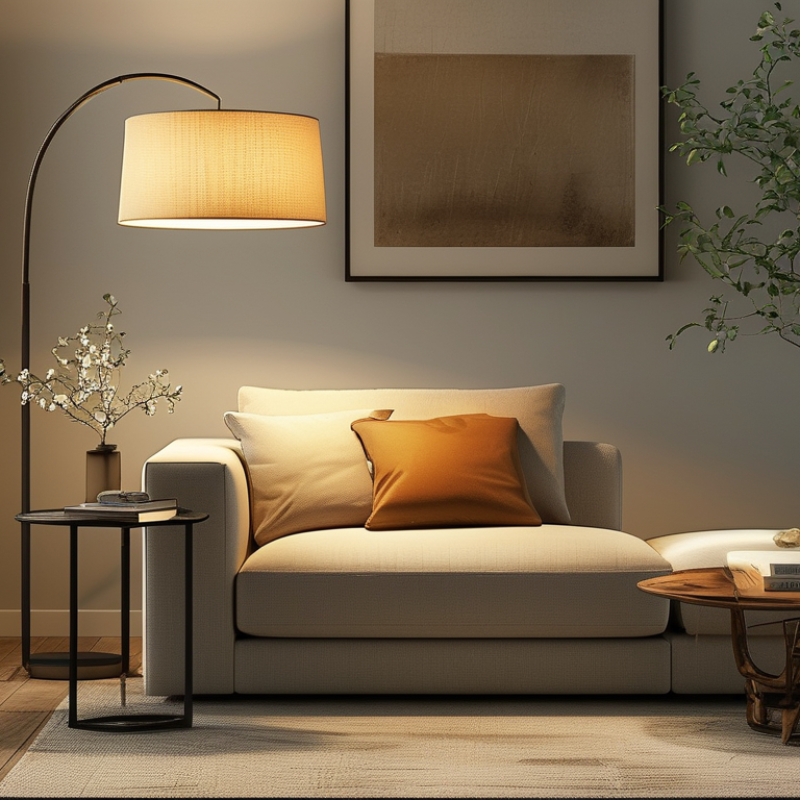
When placing a floor lamp in your living room, consider the specific zones of the space. A well-placed lamp can enhance both function and aesthetics. According to a study by the American Lighting Association, strategic lighting improves mood and productivity by up to 20%. Position your floor lamp near seating areas to create a cozy, inviting atmosphere.
Tip: Ensure the lamp's height complements your seating. A lamp that is too high or low can disrupt the flow. Aim for around 58 to 64 inches from the floor. This height provides effective lighting while adding elegance to the room.
Evaluate your room's layout and use lighting to enhance its purpose. For reading areas, a brighter bulb is essential. In relaxing spaces, opt for softer, warmer tones. The right lamp placement can convert a bland corner into a functional, stylish nook. Reflect on your preferences and adapt as necessary; sometimes, the best position may require a trial-and-error approach.
Assessing natural light sources can significantly enhance your living room's ambiance. Observe how sunlight enters your space at different times. Morning light may be soft, while afternoon sun can create harsh shadows. Identify which areas receive the most light and consider these when positioning your floor lamp.
For optimal lamp placement, consider the function of each room section. If you have a reading nook by a window, place a lamp where it complements the natural light. This can create a warm and inviting space. Alternatively, if a corner has limited light, a floor lamp can provide necessary illumination.
Tips:
- Use dimmable lamps for varying brightness throughout the day.
- Avoid placing lamps in direct sunlight; it can fade the lamp's shade and alter light quality.
- Regularly evaluate your arrangement; as seasons change, so does natural light.
Adjust accordingly to ensure your space remains vibrant.
Creating a well-lit living space requires a careful balance of light levels. Floor lamps can be a key element in achieving this balance. Place your floor lamp in a corner to illuminate two walls simultaneously. This trick enhances the room's brightness while minimizing shadows.
Add another floor lamp near your seating area. This creates a cozy reading nook that attracts people. Choose soft, warm light bulbs to foster a welcoming atmosphere. Experiment with lamp height too. A taller lamp can spread light farther, while a shorter lamp may offer a more intimate glow.
Consider layering your lighting. Combine your floor lamp with overhead lights or table lamps. This adds depth and dimension. Notice how different light levels affect the mood. A dimly lit room may feel cozy, but might lack energy. Reflect on your lighting choices. Adjust them based on activities. A dynamic lighting scheme can transform your living space into a versatile haven.
Floor lamps can transform a living room's aesthetic while providing essential lighting. Their versatility allows them to fit any design style, from modern to traditional. According to the American Lighting Association, proper lighting can improve mood by up to 30%. Placement is key; a well-positioned floor lamp can accentuate a room's features.
When incorporating a floor lamp, consider its height and design. A taller lamp near a low sofa can create a cozy reading nook. Conversely, a sleek, minimalist lamp can complement a more contemporary space. Designers suggest placing lamps in corners to eliminate shadows and enhance brightness. Reports show that warm light enhances relaxation, while cooler tones can energize the environment.
However, it is important to reflect on how the lamp's presence influences the overall layout. A lamp too close to the couch may obstruct movement, while one too far can fail to illuminate the space. Adjusting the lamp's position may require trial and error to achieve the desired effect. This process is part of creating a harmonious living environment. Engaging in thoughtful design choices fosters a more inviting atmosphere that guests will appreciate.
| Placement Area | Purpose | Aesthetic Considerations | Recommended Height |
|---|---|---|---|
| Next to a Sofa | Reading & Ambiance | Compliments upholstery colors | 58-64 inches |
| Corner of the Room | Filling empty space | Enhances depth and dimension | 65-72 inches |
| Behind a Chair | Task Lighting | Creates a cozy nook | 56-62 inches |
| Near Artwork | Highlighting Features | Adds focus to decor | 65-70 inches |
| By a Window | Natural Light Balance | Complements natural lighting | 60-65 inches |
Floor lamps can significantly enhance both task lighting and overall atmosphere in a living room. According to the American Lighting Association, effective lighting increases comfort and mood. Many people underestimate how strategic floor lamp placement can influence their living space. For instance, positioning a floor lamp next to reading chairs not only provides focused light but also creates an inviting reading nook.
Incorporating layers of light is crucial. Research shows that a well-lit room requires at least three sources of light. Floor lamps can serve this purpose without overwhelming the space. A sleek arc lamp can illuminate a cozy corner, while a tripod lamp adds depth to a minimalist design. However, attention to the lamp's brightness is essential. A light that's too harsh can create glare and diminish the room's warmth.
Finding balance is often challenging. If you rely too heavily on floor lamps, it can lead to uneven lighting. Adjusting dimmer switches can help mitigate this issue. Additionally, consider your room's color palette. Light colors may reflect more light, affecting how your lamps perform. Conducting a lighting audit regularly helps identify areas that need improvement. Remember, lighting design is an evolving process, where modifications can enhance your living experience.
: Observe sunlight at different times. Morning light is soft, afternoon sun creates harsh shadows.
Place a lamp that complements natural light by the window for a warm ambiance.
Use dimmable lamps to adjust brightness throughout the day for varying moods.
No, direct sunlight can fade lampshades and alter the quality of light.
Regularly evaluate your lamp arrangement and adjust for seasonal light changes.
A well-lit room needs multiple light sources. Floor lamps help achieve this without overcrowding.
It can create uneven lighting, making the space feel less inviting.
Adjust dimmer switches or switch to lamps with softer brightness for a cozier feel.
Light colors reflect more light, enhancing how effectively lamps illuminate your space.
It helps identify areas needing improvement and ensures your lighting design evolves with your needs.
When considering where to place a floor lamp in a living room, it's essential to evaluate the room's layout and sources of natural light. Opt for locations that enhance the lamp's effectiveness, ensuring it contributes to a well-lit environment. Assessing natural light sources can help guide optimal placement, allowing the lamp to supplement light during darker hours without creating harsh contrasts.
Balancing light levels is critical; combining floor lamps with existing fixtures creates a harmonious and inviting atmosphere. Additionally, floor lamps can serve functional purposes, such as task lighting for reading or accentuating specific design elements in your living space. By thoughtfully incorporating these lamps into your room's aesthetic, you can elevate both functionality and style, making informed decisions about where to place a floor lamp in your living room.

Q-Link Lighting