2026 Best Tips for Layering Lighting in a Home Office?

Time:2026-06-13 Author:Henry
0%

Creating an inviting and productive home office space relies heavily on effective lighting. Paul R. Johnson, a renowned interior designer specializing in workspaces, once stated, "The right lighting can transform an office from bland to brilliant." Understanding how to layer lighting in a home office is essential for maximizing comfort and productivity.

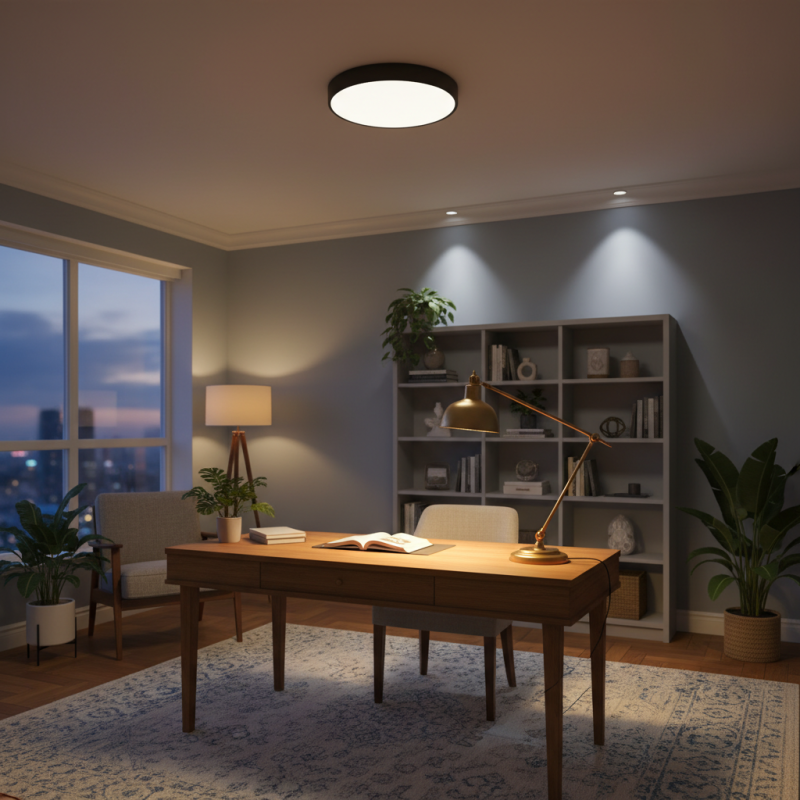
A well-lit office combines ambient, task, and accent lighting. This approach not only enhances functionality but also reflects personal style. For instance, using soft overhead lights creates a warm atmosphere, while focused desk lamps provide the necessary brightness for reading and work tasks.

However, many individuals overlook the significance of layered lighting. It’s common to feel overwhelmed or unsure about the best combinations. Failing to balance light sources can lead to glare or shadows that hinder focus. Thus, careful planning and thoughtful execution are vital. By mastering how to layer lighting in a home office, you can create a space that is both practical and aesthetically pleasing.
2026 Best Tips for Layering Lighting in a Home Office?

Understanding the Importance of Layered Lighting in a Home Office

Layered lighting is crucial in a home office. It enhances focus, productivity, and overall well-being. According to the American Society of Interior Designers, proper lighting can boost concentration by up to 20%. This statistic underlines the importance of a well-lit workspace. Multiple light sources allow for flexibility and comfort.

Consider three types of lighting: ambient, task, and accent. Ambient lighting fills the room with general illumination. Task lighting is focused light for specific areas, like a desk or reading nook. Accent lighting adds depth and character. Combining these creates a dynamic and adaptable environment. A survey by the International Association of Lighting Designers found that 75% of home office workers feel more productive with varied lighting options.

Many professionals face challenges with lighting. Common issues include glare and inadequate brightness. Working in dim light can lead to eye strain and fatigue. Addressing these problems involves strategic placement of light sources. Wall-mounted fixtures can relieve desk clutter while providing effective illumination. Reflective surfaces can enhance brightness without additional fixtures. Understanding these dynamics can transform any home office into an efficient workspace.

2026 Best Tips for Layering Lighting in a Home Office

Lighting Type Description Recommended Use
Ambient Lighting Provides general illumination for the entire room. Use as the primary light source in your office.
Task Lighting Focused light to aid specific tasks like reading or writing. Place over desks or work areas for optimal focus.
Accent Lighting Highlights specific areas or decor within the office. Use to illuminate artwork, plants, or shelves.
Natural Light Natural sunlight that energizes the workspace. Maximize window placement and use sheer curtains.
Smart Lighting Adjustable lighting controlled via technology. Set schedules or adjust brightness based on time of day.

Types of Lighting: Task, Ambient, and Accent Explained

Lighting plays a crucial role in a home office. There are three main types of lighting: task, ambient, and accent. Each serves a unique purpose. Task lighting focuses on functional illumination for specific activities. A desk lamp can effectively highlight a work area. According to a report by the Research Institute for the Future, effective task lighting can enhance productivity by over 20%.

Ambient lighting provides general illumination. It creates a comfortable overall brightness. Soft ceiling fixtures or wall-mounted lamps are ideal for this purpose. Research indicates that well-lit environments positively impact mood and concentration. In fact, 70% of remote workers find that proper lighting enhances their workflow.

Accent lighting adds depth and interest. It can highlight artwork or architectural features. While it may seem less essential, it enhances the overall ambiance. Yet, it’s often neglected. Too much accent lighting can distract rather than enhance. Reflecting on your lighting choices can yield meaningful improvements. Developing a layered approach to lighting can transform your workspace.

Choosing the Right Bulbs and Fixtures for Your Workspace

Choosing the right bulbs and fixtures is crucial for an effective home office. Start by assessing your workspace and the tasks you perform. A bright, well-lit area enhances focus and productivity. Use soft white bulbs for general lighting. They create a warm, inviting atmosphere. Consider LED bulbs for longevity and energy efficiency.

Task lighting is equally important. A desk lamp with adjustable brightness can help with detailed work. For reading, look for fixtures that provide direct light without creating glare. Dimming options are always a plus. Layer the lighting with overhead, task, and accent elements for balance. This adds depth and personality to your space.

Keep in mind the color temperature of bulbs. Warmer tones are relaxing, perfect for creative tasks. Cooler tones enhance alertness, ideal for analytical work. Experiment with different setups. If a fixture feels off, don’t hesitate to switch it up. The right combination will make a significant difference in your daily productivity.

Incorporating Natural Light: Tips for Maximizing Daylight

Natural light is a powerful asset in a home office. It can boost mood and enhance productivity. Large windows or skylights are ideal for bringing in sunlight. If your office space lacks natural light, consider using reflective surfaces. Mirrors can amplify daylight, brightening darker corners.

Arranging your workspace near a window can improve your focus. However, glare from direct sunlight can be distracting. Use blinds or sheer curtains to filter light. This balance allows you to harness natural light without discomfort. Pay attention to the time of day, as light changes can affect your tasks.

Plants can further brighten the atmosphere. They not only purify the air but also add a refreshing vibe. Choose plants that thrive in indirect light if your office lacks sun. Your environment should inspire creativity while still allowing for moments of reflection. Balancing these elements can create a harmonious workspace.

Creating a Balanced Lighting Plan for Productivity and Comfort

Creating a balanced lighting plan for your home office is crucial for productivity. Begin by considering multiple light sources. Natural light is best, so position your desk near a window. However, not all spaces allow for this. Supplement with ambient lighting that fills the entire room. Use ceiling fixtures or floor lamps to create a warm environment.

Task lighting is essential for focused work. A desk lamp with adjustable brightness helps reduce eye strain. Position it to eliminate shadows on your workspace. Consider using LED bulbs for energy efficiency and longevity. They offer bright, clear light without flicker, which can be distracting.

Don’t overlook the importance of accent lighting. Use it to enhance your office’s mood. A small shelf light or decorative lamp can add character. However, be mindful of glare and reflections on screens. Finding the right balance takes time and may require adjustments. Experiment with different combinations to see what works best for you.

Lighting Options for Home Office Layering

FAQS

: Why is layered lighting important in a home office?

: Layered lighting enhances focus and overall well-being. It can boost concentration by up to 20%.

What are the three types of lighting to consider?

The three types are ambient, task, and accent lighting. Each serves a specific purpose in your workspace.

How does ambient lighting help in a home office?

Ambient lighting illuminates the entire room, creating a warm atmosphere for productivity.

What can task lighting improve?

Task lighting provides focused light for specific activities, reducing eye strain and increasing comfort.

Why should I use accent lighting?

Accent lighting adds depth and character. It enhances the mood of your workspace.

What common lighting issues do people face?

Common issues include glare and inadequate brightness, leading to eye strain and fatigue.

How can I position my desk for the best lighting?

Position your desk near a window for natural light. It may not always be possible, though.

What should I consider when using desk lamps?

Use adjustable lamps to control brightness and reduce shadows on your workspace effectively.

Why should I experiment with lighting combinations?

Finding the right balance takes time. It requires adjustments to see what works best for you.

How can reflective surfaces help with lighting?

Reflective surfaces can enhance brightness without adding more fixtures, improving the workspace’s light quality.

Conclusion

Layering lighting in a home office is essential for creating a functional and comfortable workspace. Understanding the importance of different lighting types—task, ambient, and accent—can significantly enhance both productivity and comfort. Task lighting provides focused illumination for activities such as reading or writing, while ambient lighting ensures that the entire space is evenly lit. Accent lighting adds character and highlights specific areas, contributing to a warm atmosphere.

To effectively layer lighting in a home office, it's crucial to select the right bulbs and fixtures suited to your workspace needs. Additionally, incorporating natural light can greatly enhance your environment; strategies to maximize daylight include positioning your desk near windows and using sheer curtains. By developing a balanced lighting plan that combines these elements, you can create an office setting that not only fosters productivity but also promotes well-being. Understanding how to layer lighting in a home office will ultimately lead to a more inviting and efficient work environment.

Henry

Henry

Henry is a dedicated marketing professional with a profound expertise in the company's offerings. With years of experience in the industry, he possesses an impressive understanding of the market dynamics and consumer behaviors that drive success. Henry is committed to sharing his insights through......