China Top 10 Bedside Lamp Brands What Wattage Should I Use

Time:2026-10-23 Author:Ethan
0%

Choosing a bedside lamp involves more than matching a shade to your bedroom décor. China’s top 10 bedside lamp brands often differ in design, materials, brightness control, and electrical quality. Some specialize in warm ceramic lamps. Others focus on minimalist metal bodies, touch controls, or rechargeable models. This guide introduces leading Chinese brands through practical details, including build quality, light comfort, user experience, and value. A lamp should feel stable on a small nightstand, remain cool during ordinary use, and provide enough light for reading without disturbing sleep.

Wattage also deserves careful attention. Many shoppers ask, “what wattage bulb should i use for a bedside lamp?” For a typical LED bulb, 4 to 8 watts usually provides comfortable bedside lighting. A 6-watt warm-white LED can illuminate a paperback clearly while keeping the room calm. Larger shades or darker fabrics may need slightly more power. Small lamps may need less. Check the lamp’s maximum rated wattage before replacing any bulb. Never assume a higher wattage is safer or brighter. Lumens matter more than watts with modern LEDs, and color temperature changes the atmosphere noticeably. Around 2700K to 3000K often feels softer at night. Still, personal comfort varies. I have found that a beautiful lamp can disappoint when its switch feels awkward or its light falls directly into the eyes. Brand rankings are never perfectly objective, either. They should be reviewed alongside warranty support, certification information, customer feedback, and real bedroom use.
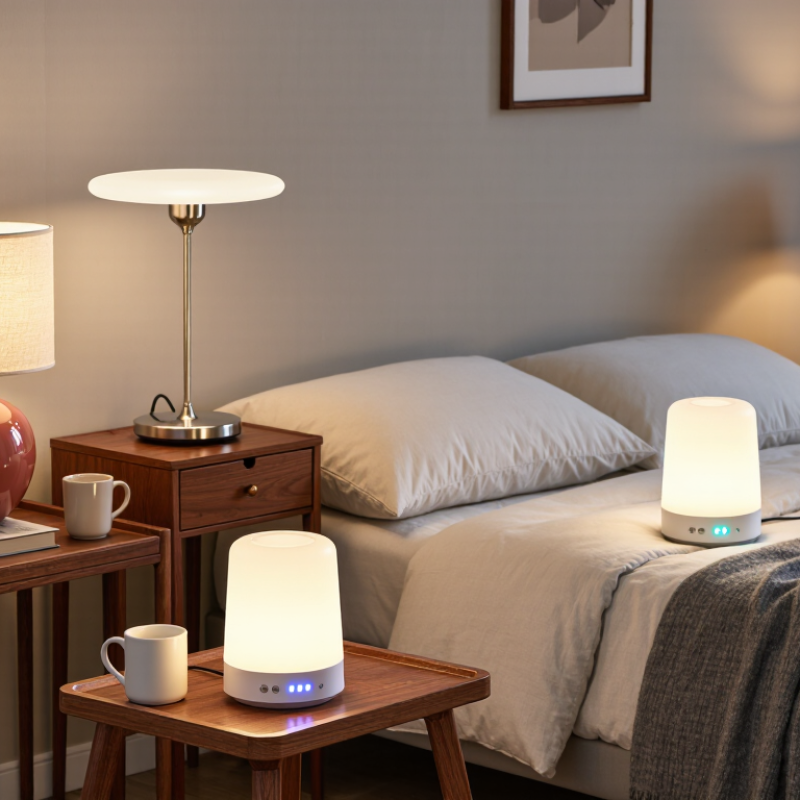
China Top 10 Bedside Lamp Brands What Wattage Should I Use

What Defines a Reliable Chinese Bedside Lamp Brand

China Top 10 Bedside Lamp Brands: What Wattage Should I Use?

A reliable Chinese bedside lamp brand should show more than attractive product photos. It should provide clear wattage, voltage, material, and safety information. In my experience, consistent assembly matters most. A stable base, firm switch, and smooth charging port reveal careful production. Useful test reports and traceable factory details also build trust. Vague specifications deserve caution.

For bedside reading, a 4–8 watt LED lamp usually provides comfortable brightness. Choose warm light around 2700–3000K for a calmer bedroom. A 2–4 watt lamp may suit soft nighttime illumination. Wattage alone can mislead, because LED efficiency differs between products. Check lumens, too. Around 300–500 lumens often works well beside a bed. I once chose a brighter lamp, thinking it was better. It felt harsh after midnight.

Tips: Check the plug standard, cable length, heat performance, and switch quality before ordering. Ask for aging-test results and real product samples. A dependable supplier should answer specific questions without avoiding details. Look for stable color, quiet operation, and packaging that protects the shade. Small flaws happen. Repeated flaws are different. Also review warranty terms, replacement support, and production consistency across batches. A trustworthy manufacturer accepts reasonable inspection and documents changes openly.

China Top 10 Bedside Lamp Brands: What Wattage Should I Use?

For LED bedside lamps, approximately 3–12 watts is suitable for most applications. These planning values are based on a typical LED efficiency of about 80 lumens per watt: 240 lumens for soft ambient lighting, 480 lumens for reading, 720 lumens for detailed reading, and 960 lumens for brighter task lighting. A reliable lamp should also provide consistent brightness, low flicker, a CRI of 80 or higher, appropriate heat management, clear electrical safety markings, and a dependable warranty.

China’s Top 10 Bedside Lamp Brands and Their Core Strengths

China’s top ten bedside lamp brands compete through distinct strengths, not identical designs. Several prioritize optical engineering, using diffused LEDs to reduce glare during reading. Others focus on smart controls, such as touch dimming, timers, and app-based color adjustment. A third group emphasizes compact manufacturing, allowing smaller bases, lighter materials, and faster customization for hotels and furniture retailers.

Energy performance now shapes purchasing decisions. The International Energy Agency reports that lighting represents about 15% of global electricity consumption. The U.S. Department of Energy states that LED products use at least 75% less energy than incandescent lamps and can last up to 25 times longer. For bedside use, 3–7 watts usually provides comfortable reading light, while 1–3 watts suits soft nighttime illumination. Brightness matters more than wattage alone. A 400–800 lumen output may work well, but shade color and beam direction can change the experience.

Core strengths also include certification control, heat management, stable color rendering, and responsive after-sales service. Many Chinese manufacturers combine injection molding, electronic assembly, and export testing under one production system. That structure can improve consistency. It does not guarantee perfection. Some products still advertise excessive smart features while offering weak physical switches or unclear privacy settings. Buyers should verify test reports, color-rendering values, flicker performance, and warranty terms. Reports from Grand View Research identify smart lighting as a fast-growing market, but market growth should not replace hands-on evaluation beside an actual bed.

How to Compare Bedside Lamp Designs, Features, and Prices

When comparing the top ten bedside lamp categories from China, begin with design rather than wattage. A fabric shade creates softer shadows, while frosted glass spreads light more evenly. Metal bases feel stable but may look colder in a bedroom. Check the lamp’s footprint, cord length, switch position, and whether the shade blocks direct glare.

Features should solve real nighttime problems. A 2700K–3000K LED suits reading without making the room feel harsh. For most bedside tasks, 4–8 watts usually provides enough light, depending on LED efficiency and shade depth. The U.S. Department of Energy reports that LED lighting uses at least 75% less energy and lasts up to 25 times longer than incandescent lighting. Dimming, touch control, USB-C charging, and adjustable arms add value, but crowded controls can feel irritating at 2 a.m. Small details matter.

Price comparisons need more than a low product number. Entry-level lamps often use basic plastic, fixed brightness, and shorter cords. Mid-range models may add metal construction, color-temperature control, and better diffusers. Premium options usually charge for finish quality, high color rendering, and quieter electronics. The International Energy Agency estimates lighting uses about 15% of global electricity, so efficient LEDs can reduce operating costs. Still, a higher price does not always mean better bedside comfort. I would test glare, switch response, and stability before trusting specifications alone.

How to Choose the Right Wattage for Reading and Ambience

Choosing the right bedside lamp wattage starts with the task, not the lamp’s appearance.

For reading, a 5–9 watt LED bulb usually provides comfortable brightness. Look for about 450–800 lumens. A focused shade can make the light feel stronger.

Reading needs clarity.

For soft ambience, try a 2–5 watt LED bulb, producing roughly 150–450 lumens. Warm light between 2700K and 3000K creates a calmer bedroom atmosphere. A frosted bulb reduces glare on walls and bedding. If the shade is dark or tightly covered, choose slightly higher lumens.

Watts measure energy use, not brightness. Lumens matter more.

I once selected a low-wattage bulb that looked efficient, but the dark fabric shade absorbed too much light. The room felt dull, and reading became tiring. That mistake changed how I compare lamps.

I now check lumen output, shade material, distance, and dimming compatibility together. A dimmer adds flexibility, especially when reading late.

Always confirm the socket’s maximum wattage and use a bulb that fits securely. Avoid placing fabric, books, or curtains against a warm fixture. Small details matter.

Safety, Bulb Compatibility, and Energy Efficiency Considerations

When comparing the leading ten bedside lamp makers in China, wattage should never be chosen by appearance alone. For reading, a warm LED bulb using 6–9 watts often provides enough light. Brightness matters more than watts. Look for roughly 450–800 lumens, depending on the shade, room size, and your eyesight. A soft 2700–3000K color temperature can reduce harsh glare before sleep.

Safety begins with the lamp’s rating label. Confirm its voltage, socket type, and maximum permitted wattage. Many bedside lamps accept E27 or E26 bulbs, but some use B22 fittings or built-in LEDs. These parts are not automatically interchangeable. I once assumed a lower-wattage bulb would fit every lamp; that assumption was too simple. Check the base carefully. Keep fabric, books, and curtains away from hot surfaces, even when the bulb seems small.

Energy efficiency also depends on daily habits. An LED bulb usually produces less heat and uses far less electricity than an incandescent bulb. A dimmer can improve comfort, but the bulb and switch must support the same dimming system. Otherwise, flickering or buzzing may appear. Choose a lamp with stable wiring, secure assembly, and recognized safety testing. “Low wattage” is not enough evidence. A poorly ventilated fixture can still become warm, and an efficient bulb may not solve every design problem. When uncertain, use the manufacturer’s stated limits rather than guessing.

FAQS

What brightness is suitable for a bedside lamp?

About 400–800 lumens often works well for reading. A softer lamp may need only 1–3 watts at night.

What color temperature feels comfortable beside a bed?

Choose around 2700K–3000K for warm, comfortable reading light. Cooler light may feel too sharp before sleep.

Should I choose fabric, glass, or metal?

Fabric shades create softer shadows. Frosted glass spreads light evenly. Metal bases feel stable, but sometimes look cold.

What physical details should I check before buying?

Measure the base, cord, switch position, and shade width. Make sure the shade does not direct glare into your eyes.

Are dimming and touch controls useful?

They can help during reading and late-night movement. However, crowded controls may become annoying at 2 a.m.

Do LED bedside lamps reduce energy use?

LED lighting generally uses much less energy than incandescent lighting. It can also last considerably longer. Actual savings depend on use and product quality.

Is a higher-priced bedside lamp always better?

No. Higher prices may reflect stronger materials, quieter electronics, or better color rendering. A cheaper lamp can still feel comfortable and stable.

What technical information should buyers verify?

Check brightness, color rendering, flicker performance, warranty terms, and heat control. Smart features should not replace reliable switches.

Are smart bedside lamps worth choosing?

They may offer timers, app controls, and adjustable colors. Privacy settings can be unclear. I would test the physical controls first.

How should I compare lamps in person?

Place the lamp beside an actual bed. Read a page, check glare, touch the switch, and test stability. Specifications can mislead.

Conclusion

Choosing a reliable Chinese bedside lamp brand involves more than comparing appearance and price. Key factors include consistent manufacturing quality, durable materials, stable electrical performance, clear product specifications, responsive support, and dependable quality control. When comparing different options, consider the lamp’s design, size, light direction, switch placement, adjustability, smart features, bulb compatibility, warranty terms, and total cost. A well-designed lamp should suit the bedroom style while providing practical and comfortable illumination.

For reading, a bedside lamp commonly works well with a warm, dimmable LED bulb in the 5–9 watt range, while softer ambient lighting may need only 2–5 watts. The right answer to “what wattage bulb should i use for a bedside lamp” depends on the lampshade, room size, desired brightness, and whether the bulb is LED or another type. Always check the socket’s maximum rating, use the correct voltage, allow ventilation, and select certified, energy-efficient bulbs to support safe and comfortable daily use.

Ethan

Ethan

Ethan is a seasoned marketing professional with a deep expertise in our company's innovative product line. With a passion for sharing knowledge and insights, he takes the lead in regularly updating our corporate blog, where he explores industry trends, product features, and effective marketing......