When considering how to dim a lamp without a dimmer switch, you encounter various simple yet effective methods. Many people want soft lighting for a cozy atmosphere. However, not everyone has a dimmer switch installed. Fortunately, there are practical alternatives that can help achieve that desired level of brightness.
Using materials around your home can significantly impact the light intensity. For instance, covering a lamp with sheer fabrics like lace can create a warm glow. It’s not just about finding a solution; it’s about making your space feel inviting.
Moreover, you might need to experiment with these methods. What works perfectly for some may not suit everyone’s taste. This trial-and-error approach can lead to unique results. Whether you adjust the bulb's wattage or use special lampshades, you can discover what feels right in your living space.
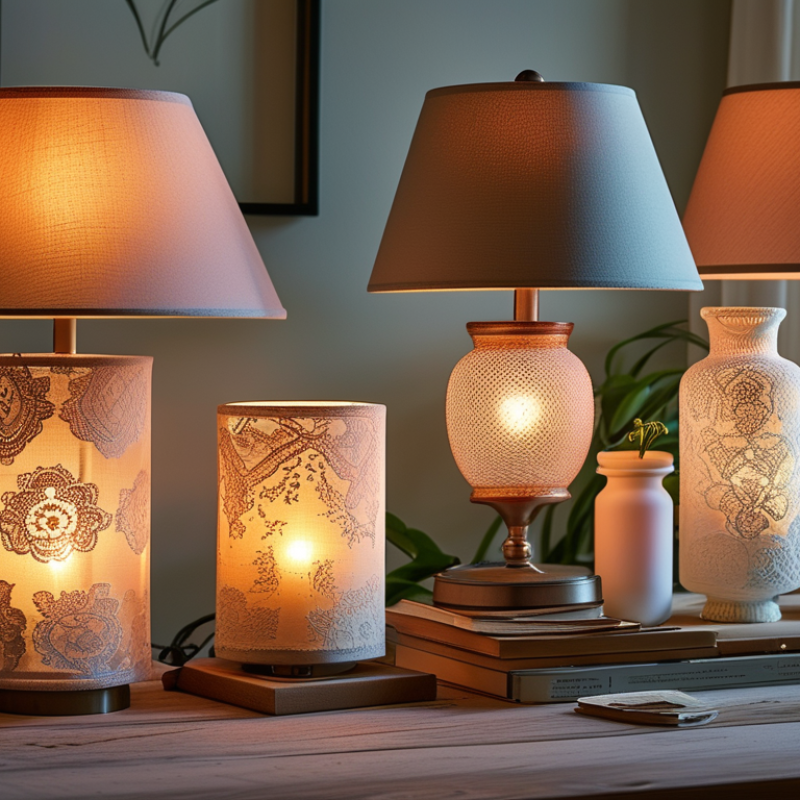
Choosing the right brightness for your lamp can dramatically change a room's ambiance.
Understanding wattage and lumens is essential. Wattage refers to energy consumption, while lumens measure light output. Higher lumens equals brighter light. However, not everyone needs a bright light for every task.
Using a lower wattage bulb can be an easy fix. A 60-watt bulb may be too bright for intimate settings. Instead, opt for a 40-watt bulb in such instances. This simple change can help create a softer, more welcoming environment. Additionally, try using fabric lampshades. These can diffuse the light, making it feel more gentle. Experimenting with different shades can lead to surprising results.
Sometimes, you may not get the desired brightness. That's part of the process. It's okay to feel frustration as you test different methods. Perhaps using colored light bulbs or layering multiple light sources could work. Each attempt brings you closer to the perfect setup. Embrace the trial-and-error mindset; it is part of enhancing your home's lighting.
Exploring ways to dim a lamp without a dimmer switch can be fun and creative. There are several alternatives that can provide varying levels of light while adding unique charm to your space. One effective method is to use a simple lampshade. Choosing a shade made of darker material can help absorb light, giving you a warmer setting. You might also experiment with the shape; softer lines can create a gentler diffusion of light.
Another approach is to use light bulbs with lower wattage. Replacing bright bulbs with those of 60 watts or less can significantly impact the brightness in a room. This change is easy and cost-effective. If you're looking for a temporary solution, try covering the bulb with a piece of sheer fabric. This method can soften the light while allowing for some flexibility in brightness.
Tips for effective dimming:
- Use multiple light sources in a room. Layered lighting can create depth and mood.
- Consider using smart plugs. These devices allow you to control brightness through an app, giving you more flexibility.
- Test different placements and configurations. Sometimes, moving a lamp to a new spot can change its impact drastically.
Each method has its charm and quirks, so feel free to explore what works for you. Personalizing your lighting can lead to a happier and cozier home.
Smart bulbs are revolutionizing how we control lighting in our homes. Unlike traditional bulbs, these innovative solutions offer adjustability in brightness and mood, aligning perfectly with contemporary living needs. A recent report from the American Lighting Association suggests that nearly 60% of homeowners are now turning to smart bulbs for enhanced lighting control.
When using smart bulbs, you can easily dim your lighting without a physical dimmer switch. Most smart bulbs connect to your home Wi-Fi and can be controlled via a smartphone app. This technology gives you the freedom to change the ambiance of any room effortlessly. Users report improved energy efficiency as smart bulbs consume significantly less power, contributing to a reported reduction of about 80% in energy usage compared to traditional incandescent bulbs.
Tips: To make the most of smart bulbs, ensure your home Wi-Fi network is robust. Weak connections can disrupt functionality. Experiment with different brightness levels to find what feels best in each room. You might discover that a softer light makes unwinding after a long day easier. Additionally, consider setting schedules or utilizing voice commands for ultimate convenience.
Using lamp shades and filters can significantly reduce brightness in your home. A study by the American Lighting Association highlights that improper lighting affects mood and productivity. Softening light through shades can create a more inviting space. For example, a fabric shade can filter harsh light, giving a warm glow.
Selecting the right material is crucial. Light fabrics like linen or cotton diffuse light effectively. According to research, these materials can reduce brightness by up to 30%. Colored filters or tinted glass can also modify light intensity. A deep amber filter might create a cozy atmosphere, ideal for relaxation.
However, considerations remain. Not all shades fit every lamp. Mismatched sizes can reduce effectiveness. Moreover, too heavy a fabric might absorb light excessively, leading to darkness rather than comfort. Experimenting with different combinations can be rewarding but requires patience. Finding the perfect balance between aesthetics and functionality might take time.
| Method | Description | Effectiveness | Ease of Use |
|---|---|---|---|
| Lamp Shades | Using darker or textured shades to absorb and diffuse light. | Moderate | Easy |
| Colored Filters | Applying colored cellophane or films over the bulb. | High | Moderate |
| Smart Bulbs | Replacing standard bulbs with smart bulbs that offer adjustable brightness via app. | Very High | Easy |
| Cloth Covers | Using sheer or thick fabrics draped around the lamp. | Moderate | Easy |
| Foil or Paper | Placing a piece of foil or opaque paper under the bulb. | Low | Very Easy |
Dimming a lamp without a built-in dimmer switch can seem challenging. However, there are several DIY solutions that can effectively achieve this goal. According to studies, nearly 90% of homeowners seek ways to modify their home lighting. Simple tactics can help enhance ambiance and save energy.
One method is to use a light dimming cable or inline dimmer. These devices can easily connect to existing lamps. They typically reduce the voltage, resulting in lower light output. Alternatively, using adjustable LED bulbs with different brightness levels can offer versatility. Data indicates that LED lighting consumes 75% less energy than incandescent bulbs, making them an eco-friendly option.
Another simple yet effective approach involves lampshades. A darker or thicker lampshade can significantly reduce the amount of light emitted. This modification changes the overall atmosphere of a room. Some homeowners overlook this simple solution. It is essential to consider the existing decor while selecting lampshades, ensuring functionality and aesthetics. When executed thoughtfully, these DIY solutions can create a cozy environment without the need for expensive dimmer switches.
This chart illustrates the effectiveness of various DIY techniques to dim lights without a dimmer switch. Each technique is rated on a scale of 1 to 10 based on its dimming capability.
: You can use a darker lampshade, lower wattage bulbs, or sheer fabric to soften the light.
Layered lighting adds depth and mood. Experiment with various placements for better ambiance.
Smart bulbs connect to Wi-Fi and can be controlled through an app, allowing for brightness adjustments easily.
Smart bulbs save energy and can reduce usage by up to 80%, making them more efficient choices.
Light fabrics like linen or cotton diffuse light well and can lower brightness by nearly 30%.
Yes, mismatched shades can impair effectiveness. Heavy materials may absorb too much light, creating darkness.
Test different brightness levels and placements. Personalized lighting can create a cozier, happier environment.
A robust connection is essential. Weak Wi-Fi can disrupt the functionality of smart lighting.
Yes, colored filters can modify light intensity. However, finding the right combination might take time and patience.
Yes, it softens the light and allows for some flexibility in brightness, making the room feel warmer.
In the quest to learn how to dim a lamp without a dimmer switch, understanding lamp brightness and light settings is essential. Different bulbs emit various intensities of light, and recognizing the brightness levels can help you choose the right approach for your lighting needs. There are several non-dimmer alternatives to consider, such as using smart bulbs that offer adjustable lighting options through mobile devices or remote controls.
Additionally, employing lamp shades and filters can effectively reduce brightness, allowing you to soften the light emitted in a space. For those who enjoy a hands-on approach, implementing DIY solutions such as using light-dimming materials or creating simple modifications can also prove effective. Overall, there are numerous creative methods to achieve the desired ambiance in your home while avoiding the installation of a traditional dimmer switch.

Q-Link Lighting