How to Properly Measure a Lamp Shade for Replacement Tips

Time:2026-07-19 Author:Liam
0%

Measuring a lamp shade for replacement might seem simple, yet many homeowners overlook precise measurements. According to industry reports, incorrect sizing is a leading cause for lamp shade dissatisfaction. Properly fitting shades enhance the aesthetic and functional qualities of a lamp. So, knowing how to measure a lamp shade for replacement is crucial.

Most people struggle with specifics like diameter and height. A shade that is too wide can overwhelm a room, while one too small lacks presence. The American Lighting Association indicates that a well-measured shade improves light diffusion and ambiance. Focus on three important measurements: the top diameter, bottom diameter, and height. Small errors can lead to frustrations.

Many feel confident but make common mistakes. Lacking clarity in determining dimensions can lead to purchases that don't fit. Addressing these pitfalls leads to better outcomes. Take time to measure not just the shade but also the base of the lamp. This attention to detail creates harmony in design and function.
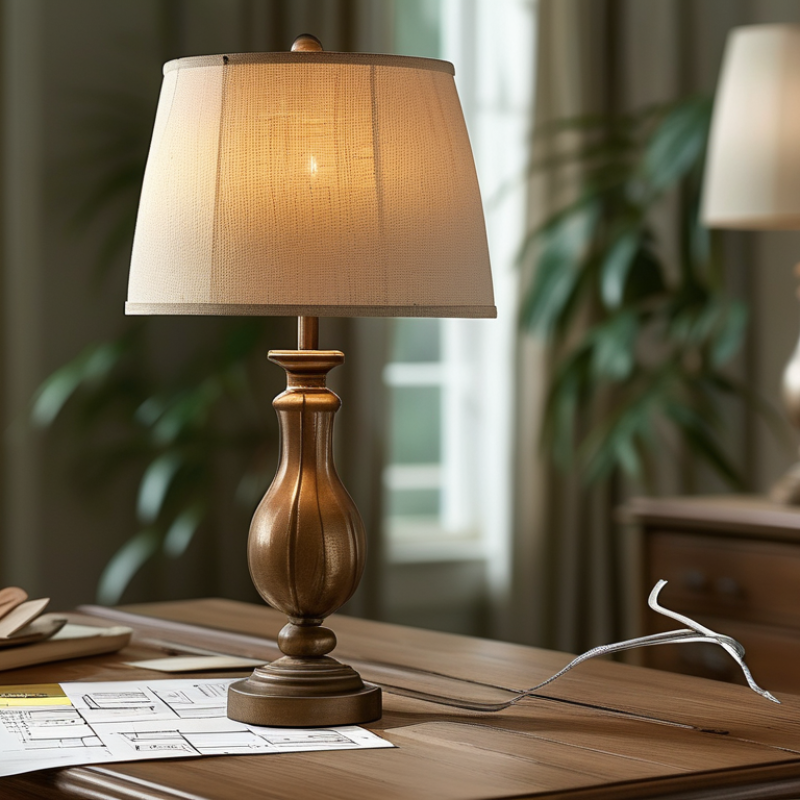
How to Properly Measure a Lamp Shade for Replacement Tips

Understanding Lamp Shade Types and Sizes

When it comes to lamp shades, understanding the types and sizes is crucial for any replacement. There are various styles, including drum, empire, and conical shades. Each type has a distinct shape, which affects how light disperses. A drum shade offers an even light distribution. In contrast, the empire style can create dramatic shadows due to its tapered design. Knowing the difference helps in selecting the ideal shade for your space.

Measuring your existing lamp shade can be tricky. Start with the bottom diameter, followed by the top diameter and the height. Lamp shades come in standardized sizes, but finding the right fit often requires careful measuring. You might think you know your lamp, but many people are surprised by the discrepancies. An incorrect size can lead to an awkward appearance. Strive for balance between the lamp base and the shade; proportions matter.

Lighting can transform a room’s atmosphere. Choosing the wrong shade can detract from your decor. It’s easy to overlook details like fabric texture or color consistency. Take the time to consider how these factors will blend with your interior design. Each choice plays a role in creating a cohesive look, making your lamp both functional and stylish.

How to Properly Measure a Lamp Shade for Replacement Tips - Understanding Lamp Shade Types and Sizes

Shade Type Diameter (inches) Height (inches) Fitter Type Suitable For
Empire 10 - 20 7 - 12 Spider Table Lamps
Drum 12 - 24 9 - 18 Uno Floor Lamps
Bell 8 - 16 7 - 14 Spider Table & Floor Lamps
Square 12 - 20 9 - 15 Uno Table Lamps
Rectangular 14 - 24 8 - 18 Spider Table & Floor Lamps

Tools Needed for Measuring a Lamp Shade

Measuring a lamp shade accurately is essential for a perfect fit. To start, you need specific tools. A soft measuring tape is crucial for precise measurements. You can use a ruler for straight edges. Another handy tool is a level. This helps ensure the shade aligns evenly.

When measuring the shade, consider three main dimensions: height, diameter, and top/bottom openings. A recent industry report indicates that nearly 70% of lamp shade replacements fail due to improper measurements. This is often due to using inaccurate tools or overlooking the shade's style.

Beyond just tools, attention to detail is vital. Small variations in measurement can lead to a mismatched shade. For example, if the bottom diameter is slightly larger than the lamp's base, it may appear unbalanced. Many homeowners underestimate these factors. Conducting multiple measurements can reveal inconsistencies. Always double-check your figures before making a purchase. Good measurements lead to a more satisfying replacement experience.

Step-by-Step Guide to Measuring Diameter and Height

Measuring a lamp shade accurately is crucial for a perfect fit. To measure the diameter, use a tape measure. Start at one edge of the existing shade. Extend the tape straight across to the opposite edge. This gives you the widest point. If the shade is not circular, repeat this step in multiple directions. Record the largest diameter for a precise measurement.

Next, for the height, measure from the top of the harp to the bottom of the shade. Hold the tape vertically for accuracy. Some shades may have varying heights, so measure at the highest point. It's common to overlook these details, leading to poor fitting shades. Double-check your measurements before purchasing a replacement.

Keep in mind that not all lampshades are created equal. Shapes and sizes vary widely. Some may look perfect in photos but differ vastly in person. If you find a shade that follows your measurements closely, consider if the design fits your lamp’s style. Sometimes a slight difference in dimensions can lead to an entirely different look.

How to Measure for a Proper Fit with Your Lamp Base

When measuring for a lamp shade, precision is key. Start by assessing your lamp base. The height should guide your choices. A shade that is one-third shorter than the base often creates a proportional look. This ratio aligns with industry recommendations, which suggest that visual harmony enhances aesthetic appeal.

Next, consider the shade's diameter. It should cover the base but not extend too far. Ideally, the diameter should be 2 to 4 inches wider than the base on each side. According to design experts, a correct shade diameter improves light distribution. This detail fosters a pleasing ambience and reduces harsh lighting effects.

Many overlook the fit between the shade and the base. The attachment mechanism should match. A tight fit is essential; too loose can cause swaying, while too tight might damage the lamp. Research reveals that improper sizing can lead to short lifespan for lamps. So, take time with these measurements. A secure, well-fitted shade enhances both style and functionality.

Common Mistakes to Avoid When Measuring Lamp Shades

When measuring a lamp shade for replacement, many people overlook crucial steps. One common mistake is ignoring the diameter. Take measurements from the widest points of the existing shade. This ensures a proper fit. Also, consider the height. Measuring from the top of the shade to the bottom gives you an accurate sense of proportion.

Another frequent error is neglecting the base width. The base of the lamp shade should match the lamp’s structure. A shade that is too narrow or too wide can affect the overall aesthetics. Additionally, always measure in inches. Using millimeters can lead to confusion and mistakes.

People often forget to account for the lamp's style and purpose. A casual lamp shouldn't have an overly formal shade. Reflect on how the lamp is used. If it's functional, ensure the shade allows for adequate light. Reflecting on these details will lead to a more informed and satisfying choice.

Common Mistakes to Avoid When Measuring Lamp Shades

This bar chart illustrates the common mistakes made when measuring lamp shades for replacement. The data reflects the percentage of individuals who reported making each mistake.

FAQS

: What are the different types of lamp shades?

: Common types include drum, empire, and conical shades. Each type disperses light differently.

How do I measure my existing lamp shade?

Measure the bottom and top diameters, then height. Be precise; inaccuracies can lead to poor fitting.

Why is correct sizing important for lamp shades?

An incorrect size can make the lamp look awkward. Proportions between the shade and base matter significantly.

What factors should I consider when choosing a lamp shade?

Consider fabric texture, color, and how it fits with your decor. Each detail impacts your room's atmosphere.

What common mistakes occur when measuring lamp shades?

Ignoring diameter and height is common. Always measure at the widest points for an accurate fit.

Should I consider the lamp's style when choosing a shade?

Yes. Match the shade to the lamp's purpose. A casual lamp needs a fittingly casual shade.

Is it important to use inches when measuring?

Absolutely. Measuring in inches avoids confusion. Millimeters can lead to mistakes.

How does lighting affect room decor?

Lighting transforms a room’s atmosphere. The wrong shade can detract from your overall design.

Can I overlook the fabric texture of a shade?

No, texture matters. It can affect the light's quality and the room's aesthetic appeal.

What should I reflect on before making a shade choice?

Think about functionality and design coherence. A well-thought-out choice enhances your space.

Conclusion

When considering how to measure a lamp shade for replacement, it’s essential to understand the various types and sizes available to ensure a perfect fit. Start by gathering the necessary tools, such as a measuring tape, ruler, and pen. The measurement process involves a step-by-step guide where you’ll determine both the diameter and height of the existing shade, ensuring it complements your lamp base effectively.

Additionally, pay attention to common mistakes that can occur during the measuring process, such as overlooking the lampshade’s shape or not accounting for any unique design elements of your lamp base. By following these guidelines, you can confidently find a lampshade that enhances your décor while providing the desired functionality.

Liam

Liam

Liam is a dedicated marketing professional with a profound expertise in the industry, where he excels at highlighting the unique advantages of our core products. With a keen understanding of market trends and consumer needs, Liam frequently updates our company’s professional blog, providing......