In today's digital work environment, effective lighting is more crucial than ever. As many professionals spend hours in front of screens, a common question arises: "why do I need a monitor light bar?" According to a study by the Illuminating Engineering Society, improper lighting can lead to increased eye strain, headaches, and reduced productivity. This finding emphasizes the importance of proper illumination in workspaces.
Dr. Sarah Lawson, a leading expert in workspace ergonomics, states, "A monitor light bar can significantly enhance visual comfort by reducing glare and creating a balanced lighting environment." This insight highlights the necessity of addressing common lighting issues, especially in home offices. Many users report that their productivity and focus improve with the right lighting solutions.
However, not all monitor light bars are created equal. Some may lack appropriate color temperature or brightness adjustments, leading to ineffective results. It's essential to consider these factors when evaluating options. Investing in quality solutions can make a noticeable difference in your daily work experience. The significance of understanding "why do I need a monitor light bar" cannot be overlooked in crafting an efficient and healthy workspace.
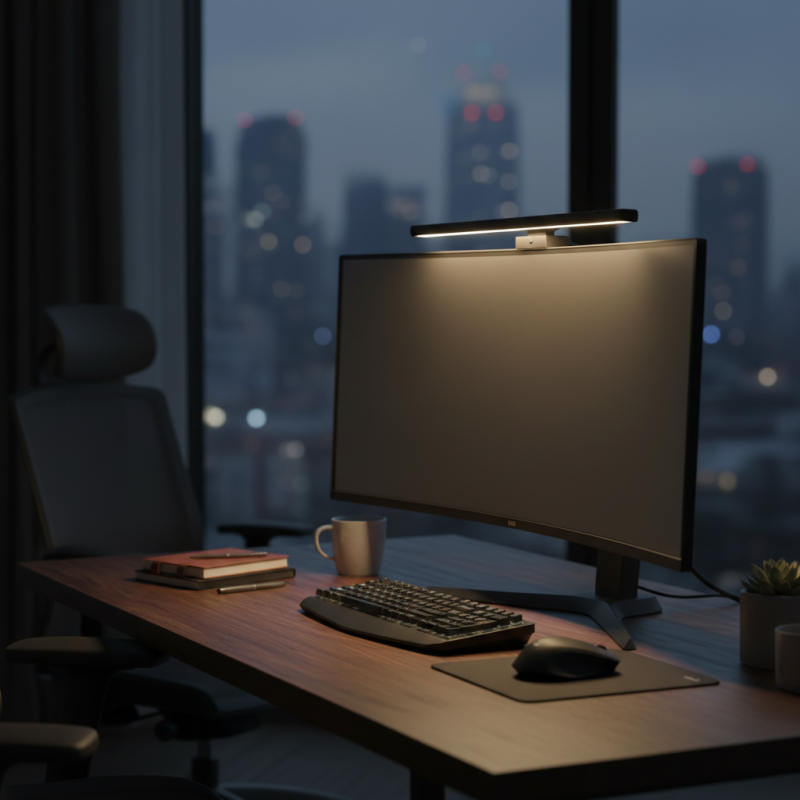
Monitor light bars have gained attention for their impact on workspace productivity. A recent study revealed that office workers experience a 15% increase in focus when optimal lighting is used. This highlights the importance of proper illumination, especially in today's remote work environment. Monitor light bars provide direct and adjustable lighting to reduce eye strain, allowing for longer work sessions without fatigue.
One significant advantage of using a monitor light bar is its ability to enhance visibility without glare. Standard overhead lights often create shadows and reflections on screens. Research indicates that 65% of professionals report experiencing eye discomfort due to poor lighting. By using a monitor light bar, users can direct light precisely where it is needed, creating a well-lit workspace.
A monitor light bar can significantly enhance eye comfort while you work. Studies suggest that over 60% of office workers experience digital eye strain. This condition is linked to prolonged exposure to screens without adequate lighting. A monitor light bar evenly illuminates your workspace, reducing harsh contrasts. Such lighting helps minimize glare and softens the bright screen, which can strain your eyes.
Research from the American Optometric Association indicates that proper lighting can improve visual comfort. Eye strain symptoms often include dryness, headaches, and fatigue. By installing a monitor light bar, you create a balanced environment. This solution could reduce the likelihood of these discomforts by up to 30%, according to recent ergonomic studies.
To enhance eye comfort, consider these tips: position your light bar at the top of your monitor, ensuring it casts light downward. Ensure your workspace is decluttered, allowing for a smooth flow of light. Take regular breaks to rest your eyes, looking away from screens every 20 minutes. Even small adjustments in lighting can yield significant results over time.
Choosing the right monitor light bar can enhance your workspace dramatically. Proper lighting is essential for reducing eye strain and increasing productivity. According to the American Optometric Association, around 80% of Americans experience visual discomfort from prolonged screen time. A monitor light bar can help alleviate this issue by providing focused illumination.
When selecting a light bar, consider brightness and color temperature. A warmer light (around 2700K to 3000K) can create a cozy atmosphere. Cooler lights (above 4000K) can promote alertness. A study by the International Lighting Association reveals that workers are 30% more productive in well-lit environments. Assess the size of your desk and monitor to determine the ideal length for your light bar.
Adjustability is another critical feature. Some light bars allow you to change brightness levels or angles. This flexibility can cater to different tasks. However, not all light bars are suitable for every workspace; some may cast shadows or glare. Testing different models in your setting is advisable. Balancing aesthetics and functionality is vital. Each workspace is unique, and personal preferences play a significant role in what works best.
Proper placement of a monitor light bar significantly enhances workspace productivity. A survey by the American Society of Interior Designers shows that 68% of workers cite proper lighting as a key factor in reducing eye strain. Positioning the light bar on top of your monitor helps create balanced illumination. This setup minimizes harsh shadows and prevents glare, leading to optimal screen visibility.
Installation height matters. A light bar should be at eye level or slightly above. This placement reduces reflections on your screen. The recommended mounting distance from the screen is about 2-4 inches. According to the Illuminating Engineering Society, this minimizes light spill and maximizes focus on the task at hand. If the light bar is too low, it may contribute to unwanted shadows.
Consider the direction of the light. Adjustable light bars allow users to fine-tune angles. Some studies suggest that adjusting angles can increase perceived brightness by up to 30%. Take the time to experiment with settings. Few users get it right on the first try. It requires patience and adjustment, but the benefits are substantial, leading to a more efficient and enjoyable workspace.
When considering workspace lighting, the comparison between monitor light bars and traditional desk lamps stands out. A study by the Illuminating Engineering Society indicates that improper lighting can lead to increased eye strain among 60% of office workers. This statistic emphasizes the need for effective solutions to enhance visual comfort.
Monitor light bars offer a distinct advantage over traditional desk lamps. They provide targeted illumination directly onto the workspace, reducing glare on the computer screen. This design minimizes shadows and avoids reflections that can disrupt concentration. On the other hand, desk lamps often cast light unevenly, creating hotspots. About 70% of users reported that monitor light bars improved their focus during long working hours.
However, not all monitor light bars are created equal. Factors like brightness levels and color temperature matter. Studies suggest that cooler light can enhance productivity, while warmer tones promote relaxation. Betwixt the allure of sleek designs and modern functionality lies an opportunity for users to reflect on their specific needs. Striking a balance between aesthetics and practicality is crucial for a truly optimized workspace.
| Feature | Monitor Light Bar | Traditional Desk Lamp |
|---|---|---|
| Light Direction | Directly onto the monitor without glare | May cause glare on the monitor |
| Space Efficiency | Clips onto monitor, saving desk space | Requires additional desk space |
| Adjustability | Often features adjustable brightness and color temperature | Limited adjustability, typically fixed brightness |
| Power Source | USB-powered | Typically AC-powered |
| Eye Comfort | Designed to reduce eye strain during screen use | May cause eye fatigue from excessive brightness |
| Aesthetics | Sleek design that complements modern monitors | Varies widely in design |
: A monitor light bar is a lighting device designed to provide focused illumination above a computer screen.
Studies show that optimal lighting can boost focus by 15%, enhancing overall workspace productivity.
Benefits include reduced eye strain, better visibility without glare, and a more organized work area.
Yes, they provide direct lighting that minimizes shadows and reflections, reducing eye strain for many users.
Monitor light bars offer targeted illumination that reduces glare and shadows, while desk lamps often create uneven lighting.
Yes, monitor light bars are compact and fit neatly, saving valuable desk space compared to traditional lamps.
Yes, brightness and color temperature can influence mood and focus, so users should consider their specific needs.
Consider brightness levels, color temperature, design, and how well it meets your workspace needs.
No, quality varies, so it's essential to research and choose one that suits your preferences and workspace.
Yes, proper lighting can create a comfortable environment that reduces distractions and encourages creative thinking.
A monitor light bar is a valuable addition to any workspace, and you may wonder, "why do I need a monitor light bar?" One of the primary benefits is enhanced eye comfort, as it provides focused illumination directly on the desk surface while reducing glare from the screen. This feature helps decrease eye strain, particularly during extended computer use, making it an ideal solution for professionals who spend long hours working at their desks.
When selecting a monitor light bar, considerations such as brightness levels, color temperature, and size relative to your monitor setup are crucial. Proper placement and installation can further maximize its effectiveness, ensuring optimal lighting without interfering with your screen. Unlike traditional desk lamps, monitor light bars offer a more streamlined and space-saving design, allowing users to enjoy improved productivity and comfort without cluttering their work environment.

Q-Link Lighting