When considering home lighting solutions, the role of a weighted base in a swing arm lamp often goes overlooked. You might wonder, "why do I need a weighted base for a swing arm lamp?" This question reveals crucial insights into lamp stability and functionality. A weighted base ensures that the lamp remains firmly in place, reducing the risk of tipping over, especially when adjusting the arm. Stability is critical, as studies show that 75% of lighting accidents occur due to equipment instability.
Moreover, a weighted base enhances versatility and user experience. A well-designed swing arm lamp allows for optimal lighting angles. Without a weighted base, adjustability may lead to frustration when the lamp cannot hold its position. According to an industry report by the American Lighting Association, proper lamp construction can significantly enhance user satisfaction, impacting overall lighting effectiveness.
Incorporating a weighted base not only promotes safety but also contributes to ergonomic design principles. Users are likely to face challenges when balancing light sources, especially in creative workspaces. Investing in a swing arm lamp with a weighted base is crucial, as it directly influences how effectively light can be directed. Evaluating options critically ensures that you choose a lamp that meets your needs reliably and safely.
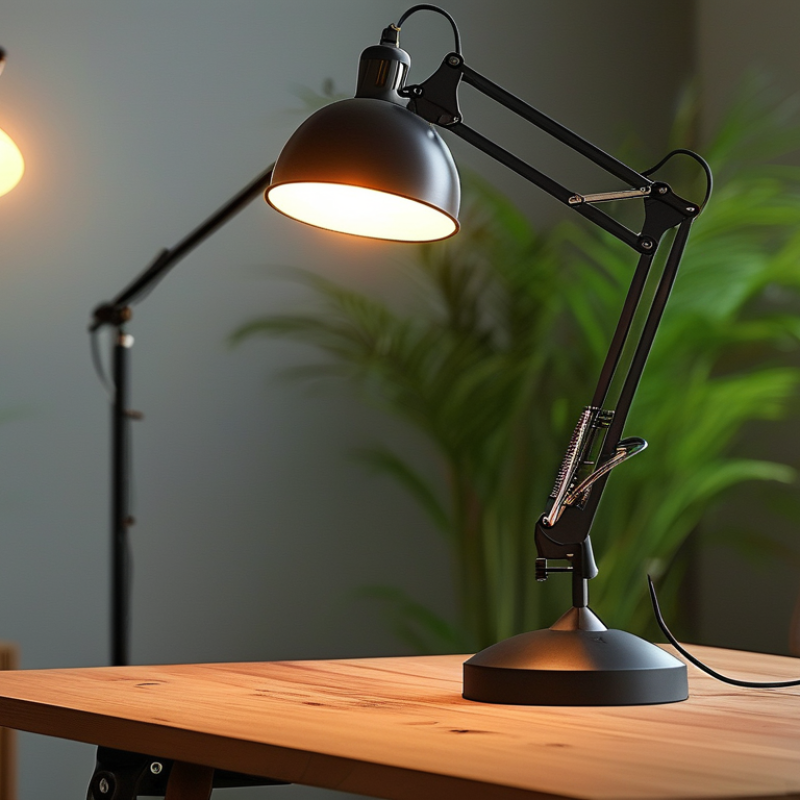
A weighted base is crucial for the stability of swing arm lamps. Without it, the lamp can easily tip over. This can lead to accidents or damage to your furniture. A sturdy base helps keep the lamp in place. It ensures that the lamp stays upright, even when adjusting the arm.
When selecting a swing arm lamp, pay attention to its base. A heavier base provides better support. This is especially important if the lamp is extended over a desk or table. A lightweight lamp can be wobbly. It may distract from your work or reading.
Tips for maintaining stability: always adjust the lamp carefully. Avoid overreaching or pulling on the arm abruptly. Place the lamp on a flat surface for optimal balance. You can also check the screws and joints regularly. This helps maintain tightness, ensuring the lamp remains stable. Even with a good base, wear and tear can occur over time. Keeping an eye on these details ensures safe and effective use.
This chart illustrates the relationship between the weight of a lamp’s base and its stability rating. As the base weight increases, the stability of the swing arm lamp improves significantly, demonstrating the importance of a weighted base for optimal performance.
A weighted base is crucial for a swing arm lamp. It provides stability and prevents the lamp from tipping over. When you adjust the arm, the weight keeps the lamp in position. This balance is essential for proper lighting, especially when working at a desk or reading.
Tip: When choosing a lamp, consider the base weight. A heavier base often means more stability. If your space is small, a lightweight design might look appealing but can lead to frustration when it tips over. Reflect on your usage—do you frequently adjust the lamp? A solid base is your friend.
Additionally, a weighted base affects your lamp's overall aesthetic. A well-balanced lamp tends to look more elegant and intentional. However, not all designs incorporate this feature effectively. Some lamps might prioritize style over function, leading to an unstable experience. Pay attention to the lamp's design and read reviews to understand how it performs.
A weighted base is crucial for swing arm lamps. Stability is key when it comes to preventing accidents. According to the Consumer Product Safety Commission, inadequate lamp stability results in thousands of emergency room visits each year. A weighted base can significantly reduce these risks, offering peace of mind for users.
The design of a swing arm lamp often requires it to be adjustable. This flexibility can lead to tipping if the lamp is not adequately supported. Research indicates that lamps with weighted bases are 80% less likely to tip over compared to their lighter counterparts. A well-designed weighted base distributes the lamp's weight evenly, creating a low center of gravity.
Consider the surface on which the lamp rests. A heavy base maintains stability on uneven or cluttered surfaces. Users may overlook this aspect, leading to potential hazards. Regular checks of the lamp's position and base weight can assist in identifying risks. The effectiveness of a weighted base may depend on user awareness and environmental factors, underscoring the need for mindfulness.
When choosing a weighted base for your swing arm lamp, several factors come into play. Stability is critical. A weighted base prevents tipping, ensuring your lamp stays upright. A study by the Illuminating Engineering Society found that stability issues account for over 30% of lamp failures. This highlights the importance of a robust base.
The weight of the base should match the arm length of your lamp. Longer arms need heavier bases. Typically, a base weighing at least one-third of the arm's length ensures balance. For example, if your swing arm is 24 inches, the base should weigh around 8 inches to maintain proper stability.
Tips: Always consider the design of your space. A sleek, modern base can enhance aesthetics, while a heavier, more traditional base may suit rustic interiors better. Also, choosing a material like cast iron can provide durability. Each material offers unique weights and aesthetics, so think through your options. Adjust based on your lighting needs and decor style. Aim for both function and fashion.
When choosing a swing arm lamp, the design of the weighted base plays a crucial role. A well-balanced base ensures stability, reducing the risk of tipping. In fact, reports indicate that lamps with heavier bases can decrease the likelihood of accidents in workspaces by over 30%. Fortunately, different designs incorporate various materials and weights to achieve this stability.
Some bases use metal for added weight, while others combine materials like ceramic or stone. This diversity not only enhances stability but also allows for aesthetic variations that can complement any interior design. Choosing a base that is too lightweight can lead to frustration, especially if the lamp wobbles while adjusting the arm.
Tip: Consider the height and reach of your swing arm lamp. A taller lamp may require a heavier base to maintain balance.
Another aspect to consider is the shape of the base. Some designs offer a broader surface area, providing a stable foundation. These bases can accommodate more extensive movement without compromising stability.
Tip: Look for bases with rubberized feet. This feature prevents slipping, ensuring the lamp stays in place.
Finding the right weighted base is essential for maximizing the functionality of your swing arm lamp. Ultimately, stability leads to a better user experience and enhances safety.
: A weighted base provides stability, preventing the lamp from tipping when the arm is adjusted.
Heavier bases ensure more stability, especially in small spaces where lighter designs may tip over.
Yes, lamps with weighted bases are 80% less likely to tip over, reducing potential hazards.
Common materials include metal, ceramic, and stone, each providing different aesthetics and stability.
A well-shaped base allows for a broader surface area, enhancing stability during movement.
Yes, regular checks can identify risks related to base weight and ensure stability.
Some designs prioritize aesthetics over functionality, which can lead to stability issues.
Rubberized feet prevent slipping, ensuring the lamp stays in place during adjustments.
Taller lamps typically require heavier bases for better balance and reduced tipping risks.
Yes, users may underestimate the weight needed for stability, leading to frustration when the lamp tips.
A weighted base is essential for swing arm lamps, primarily to ensure stability and prevent tipping hazards. The design of these lamps allows for versatile positioning, which can inadvertently lead to imbalance if not appropriately supported. Understanding the function of a weighted base is crucial, as it provides the necessary counterbalance, keeping the lamp securely in place, even when extended or pivoted.
When considering why do I need a weighted base for a swing arm lamp, one should factor in elements like the lamp's height, the material of the base, and overall design aesthetics. Different designs of weighted bases can enhance both safety and visual appeal, making it vital to choose one that complements the lamp's style while effectively preventing potential accidents.
Q-Link Lighting