The rise of smart home technology has transformed lighting design globally. Smart bulbs offer energy efficiency and customization options. However, a common question remains: can smart bulbs be used in any table lamp? Industry expert Jake Thompson emphasizes the importance of compatibility. He states, “Understanding the specifications and requirements of both the smart bulb and lamp is crucial.”
Recent statistics reveal that over 30% of households are now using smart bulbs. Despite their popularity, not all table lamps are designed to accommodate them. Different lamp types may vary in socket size, wattage limits, and dimming capabilities. This results in varying levels of compatibility.
It's essential to evaluate the specifications of your lamp before replacing standard bulbs with smart ones. Many consumers find themselves puzzled when their smart bulbs do not work as expected. Adapting to new technology sometimes requires extra effort. Knowing which models work best is part of making the most out of smart lighting solutions.
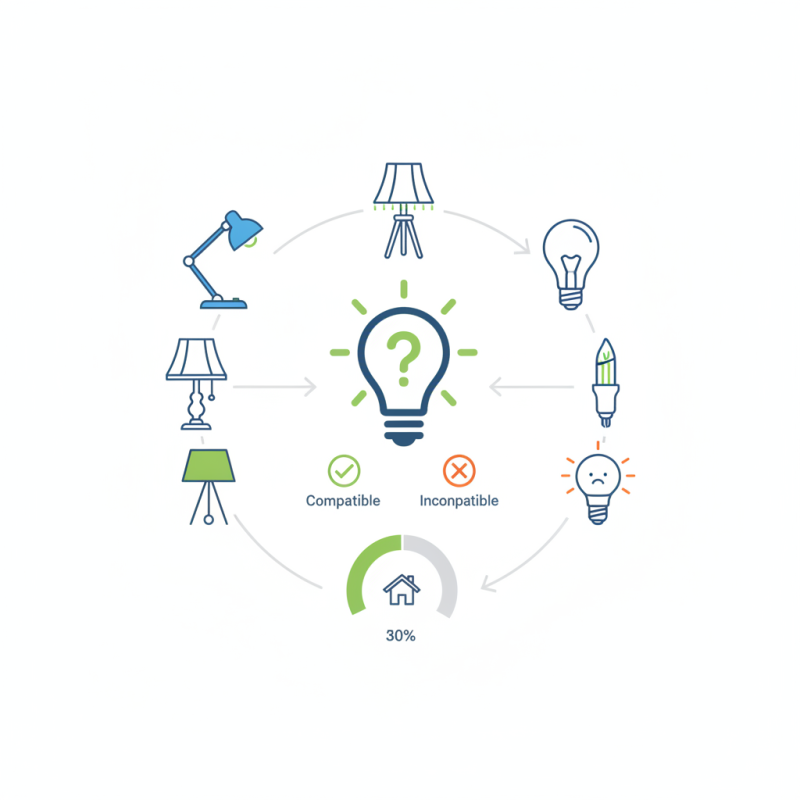
Smart bulbs are revolutionizing how we illuminate our spaces. They offer convenience, energy efficiency, and a wide range of colors and settings. However, their compatibility with table lamps can vary widely. It's essential to know whether your lamp can accommodate these modern lighting solutions.
One important factor to consider is the socket type. Most smart bulbs fit in standard E26 or E27 sockets. However, some lamps might use different fittings. Checking the existing bulb can save you time and frustration. If your lamp has a unique socket, you may need an adapter. This can alter the lamp's appearance. Choose wisely to maintain aesthetics.
Tips: Always confirm the wattage compatibility. Smart bulbs typically use less power but check specifications to avoid damage. Be aware of the lampshade design; it may affect heat dissipation. A well-ventilated lamp allows smart bulbs to perform optimally. Finally, experiment with different colors to suit your mood, but ensure your lamp is compatible with smart technology. Adapting to new tech can take time, but it’s worth the effort.
Table lamps come in various designs globally, catering to different tastes and settings. From the classic Tiffany lamps with their stained glass shades to sleek, minimalist Scandinavian styles, each lamp type serves both functional and aesthetic purposes. These styles reflect the culture and craftsmanship of their regions, making them unique. The adaptability of smart bulbs in these lamps may depend on size and shade design.
Choosing a lamp also requires understanding its compatibility with smart technology. Not all lamp designs can accommodate oversized or non-standard bulbs. For example, some decorative lamps may have intricate shades that limit bulb options. It's a matter of practical fit versus visual appeal. Many users might overlook these details when selecting smart bulbs for their favorite lamps.
Experimentation is key. It may take a few tries to find the right smart bulb for specific designs. Some lamps may struggle with heat dissipation or brightness levels. Others might not fit aesthetically with bright white light. It's essential to consider these factors to create a cohesive look in your space. Ultimately, combining smart technology with traditional designs can be a rewarding yet challenging journey.
Smart bulbs have gained popularity for their convenience and energy efficiency, but compatibility with table lamps varies. One critical aspect to consider is the base type. Common base types include E26, E27, and GU10. Each base type has specific requirements. For example, E26 is widely used in North America, while E27 is common in Europe. Understanding these specifications is crucial for ensuring a smart bulb fits your lamp.
Size also plays a significant role in compatibility. Bulbs come in various dimensions and shapes. Larger bulbs may not fit in smaller lamps, affecting design aesthetics. Moreover, the shape can influence light distribution. A classic A-shaped bulb offers a different effect than a globe-shaped bulb. When choosing a smart bulb, consider measuring your lamp's socket and shade dimensions.
Researching these specifics can save frustration and enhance the smart lighting experience. However, it’s important to note that some older lamps may not accommodate smart bulbs at all. This could be due to outdated socket types or incompatible wattages. Checking compatibility before purchasing is always wise to avoid disappointment.
Installing smart bulbs in different types of table lamps can seem challenging. However, it is doable with some basic understanding and the right tips. Pay close attention to the lamp's socket type. Common types include E26, E27, and GU10. Check your lamp's specifications to ensure compatibility. This step is crucial before making any purchase.
When it comes to installation, replace standard bulbs with smart ones carefully. Handle bulbs by the base, not the glass, to avoid breakage. If the lamp has a dimmer switch, you may experience flickering. In that case, you need a compatible smart bulb. Always refer to the product guidelines. Some bulbs may not fit well or may not work at all in certain fixtures. It’s essential to experiment with different models and sizes for the best results.
If you're looking to control your lighting remotely, consider the lamp's location. Accessibility is key for smart features to work well. If the lamp is hard to reach, ensure your smart bulb has a reliable app. Remember, not every smart bulb will fit every lamp perfectly. Sometimes, a little adjustment, such as changing the lamp shade, can make a big difference. Be willing to adapt and explore your options creatively.
When considering smart bulbs for your table lamp, it's wise to assess compatibility first. Not all lamps support smart bulbs. The size and type of lamp socket are crucial. Common sizes include E26, E27, or GU10. Mismatched sockets mean smart bulbs won’t fit.
Wattage limitations also need attention. Many smart bulbs have a maximum wattage. Exceeding this can cause damage or malfunction. Additionally, check the dimming function. Some smart bulbs aren't compatible with all lamp dimmers. This can lead to flickering, which is frustrating.
While aesthetics matter, functionality should take precedence. Evaluate whether the smart features will enhance your daily life. Consider connectivity options as well. Not all smart bulbs connect seamlessly with every smart home system. These factors can diminish your lighting experience.
: Base types like E26 and E27 are common. Ensure the bulb base matches your lamp.
Size affects compatibility with lamps. Larger bulbs may not fit in smaller fixtures.
Measure the socket and shade dimensions of your lamp. This ensures a proper fit.
Older lamps may not accommodate smart bulbs due to outdated sockets or wattage issues.
No, some smart bulbs do not work well with all lamp dimmers, leading to flickering.
Many smart bulbs have wattage limits. Exceeding these can damage the bulb or lamp.
Mismatched sockets mean the smart bulb won't fit. Always check compatibility before buying.
Consider if smart features benefit your routine before purchasing a smart bulb.
Not all smart bulbs connect seamlessly. Check compatibility with your smart home system.
While looks matter, prioritize functionality. A smart bulb should enhance your lighting experience.
This article explores the compatibility of smart bulbs with various types of table lamps worldwide, addressing the question: "can smart bulbs be used in any table lamp?" It begins by explaining what smart bulbs are and how they function, followed by an examination of common table lamp designs globally. The discussion then moves on to smart bulb specifications, highlighting essential base types and size considerations that play a crucial role in compatibility.
Furthermore, the article provides installation tips to help users fit smart bulbs into different lamps while also discussing potential limitations to keep in mind before making a purchase. By understanding these factors, consumers can make informed choices about integrating smart lighting into their homes, ensuring that they find the right smart bulbs to suit their table lamp needs.

Q-Link Lighting