Choosing the right lamp changes how a room feels and how comfortably people use it. Yet many shoppers still ask, “what is the difference between a task lamp and an accent lamp?” The answer begins with purpose. A task lamp delivers focused light for reading, drafting, cooking, or computer work. An accent lamp adds visual emphasis, highlighting artwork, plants, shelves, or architectural details. One supports the eyes. The other shapes attention.
Lighting designer Randall Whitehead explains that effective residential lighting “combines ambient, task, and accent lighting.” His point remains useful because no single fixture should perform every job. A desk lamp with an adjustable arm may place light precisely over a keyboard. A small accent fixture may wash a textured wall with a softer glow. The difference becomes visible on the surface.
Industry data also supports careful lamp selection. The International Energy Agency reports that lighting uses about 15% of global electricity consumption. The U.S. Department of Energy states that LED bulbs can use at least 75% less energy than incandescent bulbs and last up to 25 times longer. Efficiency matters, but brightness alone does not guarantee comfort. Glare, color temperature, beam angle, and placement still influence the result.
The boundary is not perfect. Some modern lamps combine both roles. A sculptural desk lamp can illuminate work while creating a focal point. This guide compares function, light distribution, placement, energy use, and design impact. It also questions a common mistake: choosing a beautiful lamp that leaves the page too dark.
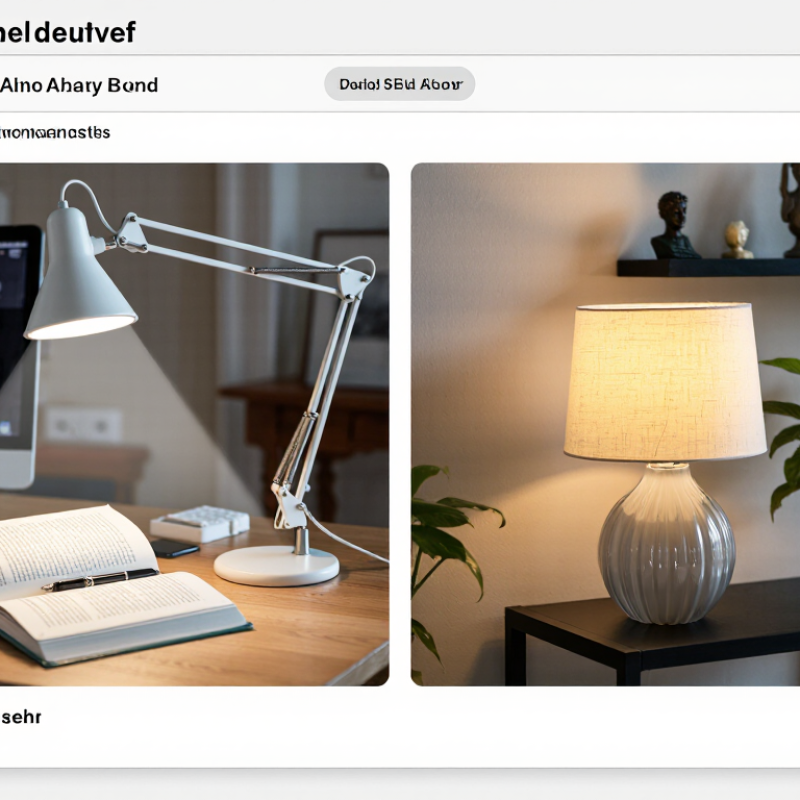
A task lamp is designed to place focused light exactly where detailed work happens. It supports reading, writing, drawing, sewing, cooking, or computer work. Unlike a soft accent lamp, it should make nearby surfaces clearer without filling the entire room with bright light.
In practical use, a good task lamp has an adjustable arm, a stable base, and a shade that controls glare. Position it beside your writing hand, not directly behind your head. The light should fall across the page evenly. For screen work, keep the lamp slightly to the side. Reflections on the display can cause eye strain, even when the room looks well lit. A warm or neutral white setting often feels comfortable, but personal vision and room color still matter. My own mistake was choosing brightness first and adjustability second. The lamp looked powerful, yet its fixed head created shadows.
Tips: Test the lamp at your actual desk before deciding. Move the arm through several angles. Check the page, keyboard, and screen from your normal sitting position. If the shade shines into your eyes, reposition it or choose deeper shielding. Keep cables away from moving parts. A task lamp is not automatically better because it is brighter. Control matters more. Small details matter.
An accent lamp is designed to shape a room’s atmosphere, not simply illuminate a task. It adds a small pool of light around artwork, shelving, plants, or architectural details. Unlike a task lamp, it does not need to brighten an entire desktop. Its purpose is visual balance, depth, and gentle contrast. Think of it as supporting light. The fixture can become part of the room’s character, even when switched off.
In room styling, I usually place an accent lamp near a dark corner or beside textured objects. A warm bulb can make wood, fabric, and framed artwork appear softer. However, excessive warmth may distort colors and make a space feel dull. I once positioned a lamp directly behind a glass ornament. The reflection was distracting, and the cord looked careless. That mistake reminded me to judge the lamp from every seat, not only from the installation point.
Good selection requires attention to scale, brightness, shade direction, and heat management. Check that the lamp sits securely and that its cable does not cross a walking path. If the shade exposes the bulb, view it from normal eye level to avoid glare. A task lamp supports reading, writing, or detailed work. An accent lamp supports the room’s visual rhythm. The distinction is useful, but not absolute. Some lamps perform both roles when their brightness and direction can be adjusted.
A task lamp is designed for focused work, while an accent lamp adds visual emphasis and atmosphere. The chart compares typical illuminance targets in lux.
What is an accent lamp? An accent lamp provides localized, decorative light for highlighting artwork, shelves, architectural features, or other objects. It normally uses less light than a task lamp, which is intended for activities such as reading, writing, or detailed work.
A task lamp exists to support a specific activity, such as reading, writing, sewing, or detailed repair work. Its purpose is practical. In my experience, a good task lamp places focused light across the working area without forcing your eyes to chase shadows. Adjustable arms, stable bases, and controlled brightness usually matter more than decorative shape. A neutral white color temperature can also reveal paper, fabric, and small components more clearly. Less glare helps.
An accent lamp serves a different purpose. It highlights a painting, shelf, plant, textured wall, or architectural feature. The light is often softer, warmer, and directed toward an object rather than a work surface. It shapes the room’s mood and adds visual depth. It should not replace proper lighting for reading or precise handwork. That mistake is common.
I once used a decorative lamp beside a notebook and assumed it was bright enough. After twenty minutes, the uneven beam made the page tiring to read. The lamp looked attractive, but appearance did not solve the problem. A task lamp should be judged from the chair, not only from across the room. An accent lamp deserves the same practical check. Reflections on glass, harsh shadows, and excessive brightness can weaken its effect. The distinction is useful, although real rooms often need both types working together.
A task lamp delivers focused light for reading, writing, or detailed work. Its adjustable arm, shade, and stable base help control glare near the desk. The Illuminating Engineering Society commonly recommends about 300–500 lux for office and reading tasks, depending on contrast, age, and visual comfort.
An accent lamp serves a different purpose. It adds atmosphere, softens shadows, or highlights a shelf, painting, or textured wall. Its light is usually wider, dimmer, and less precise. The boundary is not always clean.
Placement changes the experience. Position a task lamp opposite your writing hand, slightly above eye level, and aim it across the work surface. This reduces shadows from your hand. Place an accent lamp beside a sofa, on a console, or behind a decorative object. The goal is visual balance, not maximum brightness. A beautiful accent lamp can still create glare. That detail is easy to miss.
The U.S. Department of Energy reports that LED lighting uses at least 75% less energy and lasts up to 25 times longer than incandescent lighting.
The International Energy Agency estimates lighting uses about 15% of global electricity, so efficient choices matter beyond appearance.
Tips: Check the lamp’s color temperature before buying. Around 2700K feels warm and relaxing, while 3500K–4000K often supports focused work. Test the lamp at night. Room surfaces can change the result, and a technically correct choice may still feel wrong.
How to Choose Between a Task Lamp and an Accent Lamp
Choose a task lamp when your eyes need help doing specific work. Reading, drawing, sewing, and keyboard use require focused, adjustable light. The Illuminating Engineering Society commonly recommends around 300–500 lux for reading and writing, depending on contrast and age. Place the lamp slightly to the side, not directly behind the page. This reduces hand shadows and glare. A flexible neck helps, but too much brightness can still feel harsh.
Choose an accent lamp when the room needs atmosphere rather than precision. It can highlight a shelf, soften a dark corner, or draw attention to artwork. Its beam is usually wider or more decorative, so it should not replace a work light. In my experience, one accent lamp near a sofa makes a room warmer, but reading there still feels tiring. That detail is easy to miss.
Energy use also matters. The U.S. Department of Energy reports that LED lighting uses at least 75% less energy and lasts up to 25 times longer than incandescent lighting. Select LEDs with comfortable color rendering, preferably a CRI of 80 or higher. A dimmer adds control, although some lamps flicker at low settings. I would test the lamp at night before deciding; showroom lighting can be misleading.
A task lamp provides focused light for detailed activities. It suits reading, writing, drawing, sewing, cooking, or computer work. It brightens the work area, not the whole room. Small control matters.
Look for an adjustable arm, stable base, and glare-controlling shade. Test several angles at your desk. Check the page, keyboard, and screen. A fixed head may create shadows. I once chose brightness first and regretted it.
Place it beside your writing hand. Keep it slightly to the side for screen work. Light should cross the page evenly. Avoid placing it directly behind your head. Keep cables away from moving parts.
An accent lamp shapes a room’s atmosphere. It creates a small pool of light near artwork, shelves, plants, or textured objects. It adds depth and gentle contrast. It is supporting light.
Try a dark corner or a shelf beside textured materials. Warm light can soften wood, fabric, and artwork. View the lamp from every seat. A glass ornament may reflect the bulb unpleasantly.
Usually, no. An accent lamp may look bright but still create uneven light. Reading and precise handwork need clearer coverage. That mistake is common. Some adjustable lamps can serve both roles.
A task lamp is usually better. Position it beside the screen, not directly in front of it. Avoid reflections on the display. Screen glare can increase eye strain. Check the screen while seated normally.
Do not choose brightness alone. Adjustable brightness gives more control. Warm or neutral white light may feel comfortable. Room colors and personal vision still matter. Test the actual surface. What looks perfect may feel tiring later.
A task lamp and an accent lamp serve different lighting needs, even though both can improve the atmosphere of a room. A task lamp is designed to provide focused, practical illumination for activities such as reading, writing, studying, crafting, or working. It is usually placed on a desk, bedside table, or work surface and often includes an adjustable shade or arm to direct light where it is needed. An accent lamp, by contrast, is mainly used to highlight decorative features, create visual interest, or add warmth to a space. It typically produces softer, more ambient light and may be placed on a shelf, side table, or display area.
So, what is the difference between a task lamp and an accent lamp? The main differences involve purpose, light direction, placement, and design. Choose a task lamp when clear visibility and concentration are priorities. Choose an accent lamp when you want to enhance the room’s mood, emphasize décor, or create a comfortable layered lighting effect.

Q-Link Lighting