Choosing the right lamp for your nursery can significantly impact the room's atmosphere. According to interior design expert Emily Henderson, “Lighting is as crucial as decor in creating a peaceful nursery.” Her insight highlights the importance of thoughtful selection.
When considering how to choose a lamp for a nursery, factors like brightness, design, and safety are key. A soft glow can help create a serene environment for bedtime. Additionally, choose designs that complement your nursery's theme. Avoid overly bright lights that can disrupt a baby's sleep.
Light fixtures should be safe and efficient. Look for lamps with sturdy bases to prevent tipping. Energy-saving bulbs are also a wise choice for long-term use. While you strive for perfection, remember that every decision involves trade-offs. Sometimes the ideal lamp may not fit your budget or design. Balancing your preferences with practicality can lead to unexpected yet satisfying choices.
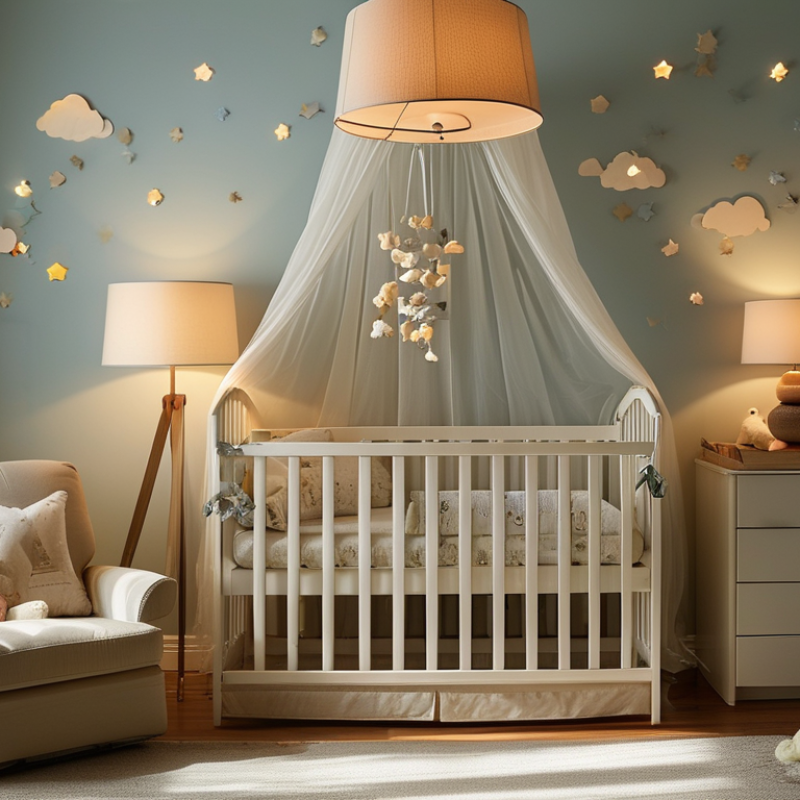
Choosing the right lamp for your nursery involves understanding both functionality and ambiance. Lighting plays a critical role in a baby's environment. It should be soothing and adjustable. Soft, warm light is ideal for bedtime routines, while brighter light is necessary for playtime and activities.
When selecting a lamp, consider the design as well. A lamp with a dimmer switch can provide flexibility. It allows you to adjust the brightness based on the time of day or the baby's mood. Remember to think about placement too. Positioning the lamp near a changing table or rocking chair can enhance usability during nighttime feedings.
Safety is another vital factor when choosing a lamp. Ensure that the lamp is stable and has no sharp edges. Opting for a lamp with a closed shade can help prevent burns. Additionally, using LED bulbs is a good choice, as they produce less heat. Nuanced choices like these can significantly impact your baby's comfort and safety.
When designing a nursery, safety is the top priority. Selecting lamps that meet safety features is crucial. Look for lamps with sturdy bases to prevent tipping. Children may pull or climb on furniture, making stability essential.
Dimmer switches can provide flexibility. They allow for soft lighting during nighttime feedings. This feature can be soothing for both baby and parent. Consider lamps with cool-to-touch bulbs. This prevents burns after short accidental touches.
Also, check for cords. Keep them out of reach to avoid strangulation hazards. Clip cords hidden behind furniture when possible. Lastly, choose lamps made from non-toxic materials. Ensuring the nursery's environment is safe is vital for your child’s well-being. Safety features should guide your grasp of aesthetics.
When it comes to designing a nursery, the choice of lamp is crucial. It's important to find a balance between functionality and style. According to industry studies, 75% of parents prefer ambient lighting that creates a calming environment for their baby. Soft, diffused light is ideal for nighttime feedings and diaper changes. A lamp that offers adjustable brightness can be a practical choice for any nursery.
Neutral colors often work best. They complement various themes and make it easy to change decor over time. Data reports suggest that 40% of parents choose lamps that enhance the room's aesthetic rather than just serve a purpose. Your lamp should resonate with the overall design, whether it's playful or serene.
Safety is non-negotiable. Ideally, the lamp should be stable and made from non-toxic materials. Interestingly, studies indicate that nearly 30% of parents overlook these factors. A beautiful lamp should not come at the cost of safety. Take time to evaluate options that are both stylish and reliable, ensuring a cozy atmosphere in your child's space.
This chart illustrates the importance of various factors to consider when choosing a lamp for your nursery. Each factor is rated on a scale of 1 to 10 based on its significance. Safety is the top priority, followed closely by brightness and style, ensuring that the lamp meets both functional and aesthetic needs in a child-friendly environment.
Choosing the right light bulbs for your nursery is essential. It affects the atmosphere and comfort of the room. Soft illumination is best for encouraging a calm environment. Warm white bulbs can mimic the soothing glow of sunlight. They create a gentle ambiance that is ideal for both play and rest.
When selecting bulbs, consider the brightness level. Too much light can be overstimulating. Dimmable options offer flexibility and control. You can adjust the light according to the time of day or the activity. Remember, the color temperature plays a role as well. Bulbs with a lower Kelvin rating provide a cozier feel.
Safety is another consideration. Ensure the bulbs are low-heat. Avoid bulbs that can get too hot near sleeping areas. Check for certifications to confirm they are safe for children. Reflecting on personal experiences can help; some families opt for different bulbs as their baby grows. Every choice has its benefits and potential drawbacks. Your nursery should feel safe and inviting for years to come.
Choosing the right lamp for your nursery involves careful consideration of size and placement. According to the American Society of Interior Designers, proper lighting can significantly impact a child's mood and development. A well-lit space encourages exploration. It’s essential to evaluate the size of the lamp in relation to your nursery's dimensions. A large lamp in a small room can create a cramped feel. Conversely, a tiny lamp in a spacious nursery may look lost.
Height is crucial for placement. Ideally, the bottom of a lampshade should be at eye level when seated. This positioning provides adequate light without straining your eyes. Placing lamps too high or too low can lead to uneven lighting, negatively affecting sleep or playtime. Additionally, consider the lamp's function. A reading lamp should provide focused light without harsh glare, while a night lamp needs a soft, warm glow. Balancing these aspects can be challenging but is vital for the nursery’s environment.
Reflect on the color temperature, too. Warmer tones are calming and suitable for bedtime, while cooler tones may promote alertness during play. It’s a delicate balance. Pay attention to shadows that the lamp creates. Overly bright spots and deep shadows can disrupt visual comfort. Position lamps away from any furniture that casts disruptive shadows. Finding the perfect balance will create a nurturing space for your little one to thrive.
| Tip Number | Tip Description | Considerations | Recommended Size (Height) |
|---|---|---|---|
| 1 | Choose a lamp with a soft, warm light. | Avoid harsh lighting for comfort. | 12-18 inches |
| 2 | Select a height that matches the room scale. | Ensure it fits the overall decor. | 24-36 inches |
| 3 | Consider adjustable lighting options. | Flexibility for different activities. | N/A |
| 4 | Choose a lamp that is easy to operate. | Ease of use during nighttime feedings. | N/A |
| 5 | Pick a lamp with safety features. | Protect against accidents in the nursery. | N/A |
| 6 | Match the lamp style with nursery decor. | Harmony in design is crucial. | N/A |
| 7 | Consider the lamp shade material. | Fabric and finish influence light diffusion. | N/A |
| 8 | Evaluate the lamp's power source. | Choose between plug-in or battery-operated. | N/A |
| 9 | Think about placement for optimal illumination. | Spotlight areas like the crib and changing table. | N/A |
| 10 | Look for energy-efficient options. | Savings on energy bills and sustainability. | N/A |
: Soft, warm light is best for bedtime. Brighter light is needed for playtime activities.
A dimmer switch allows you to adjust brightness based on the time of day or baby's mood.
Proper placement enhances usability during nighttime feedings. Position lamps near changing tables or rocking chairs.
Look for stability, no sharp edges, and a closed shade to prevent burns. LED bulbs are safer due to low heat.
Soft illumination creates a calming environment. Warm white bulbs mimic sunlight for a gentle ambiance.
Brightness should be moderate. Too much light can overstimulate the baby during playtime.
The bottom of the lampshade should be at eye level when seated for comfortable lighting.
Warmer tones are calming for bedtime, while cooler tones promote alertness during playtime.
Improper placement can create uneven lighting. This may disrupt sleep or playtime comfort levels.
Every child's needs change, and different bulbs or lamps may be necessary to ensure a safe, inviting environment.
Choosing the right lamp for a nursery is crucial for creating a safe and comfortable environment for your little one. To learn how to choose a lamp for a nursery, it's important to first understand the specific lighting needs and functions that a nursery requires. This includes providing adequate illumination for activities like reading and playtime while ensuring a calming atmosphere for sleep.
Safety features should be a priority when selecting nursery lamps, such as avoiding sharp edges and ensuring that the lamp is stable to prevent tipping. Additionally, consider the design and style of the lamp to complement the nursery decor, along with selecting appropriate light bulbs that provide soft illumination without being harsh on the eyes. Lastly, evaluating the lamp’s size and optimal placement can enhance both the functionality and aesthetics of the nursery space. By following these tips, you can create a nurturing environment that meets both safety and comfort needs.

Q-Link Lighting